
A more manageable kitchen
Kitchen & Oven Cleaning Guides
Good kitchen care is a series of sensible decisions, not a cupboard full of miracle products. Find advice on everyday oven care, greasy surfaces and preparing cooking equipment for the next meal.

Start with the problem you actually have
A cloudy door, a greasy extractor and a stained grout joint may all look like cleaning jobs, but they need different approaches. Before choosing an article, decide what surface you are dealing with and what has changed. Is the deposit fresh or repeatedly baked on? Is the mark on a removable tray or a fixed oven liner? Does the appliance work normally? Those simple observations help you choose relevant advice and avoid using a method intended for a completely different material.
The guides below cover oven cleaning, wider kitchen care and seasonal BBQ preparation. You can browse by topic or go straight to the issue that matters today. Read the whole method before starting, including the limits and preparation. A short video or a product label taken out of context can miss an important detail about temperature, ventilation or surface suitability. If the appliance manual contradicts a general household tip, follow the instructions for your particular model.
Give everyday oven care a workable routine
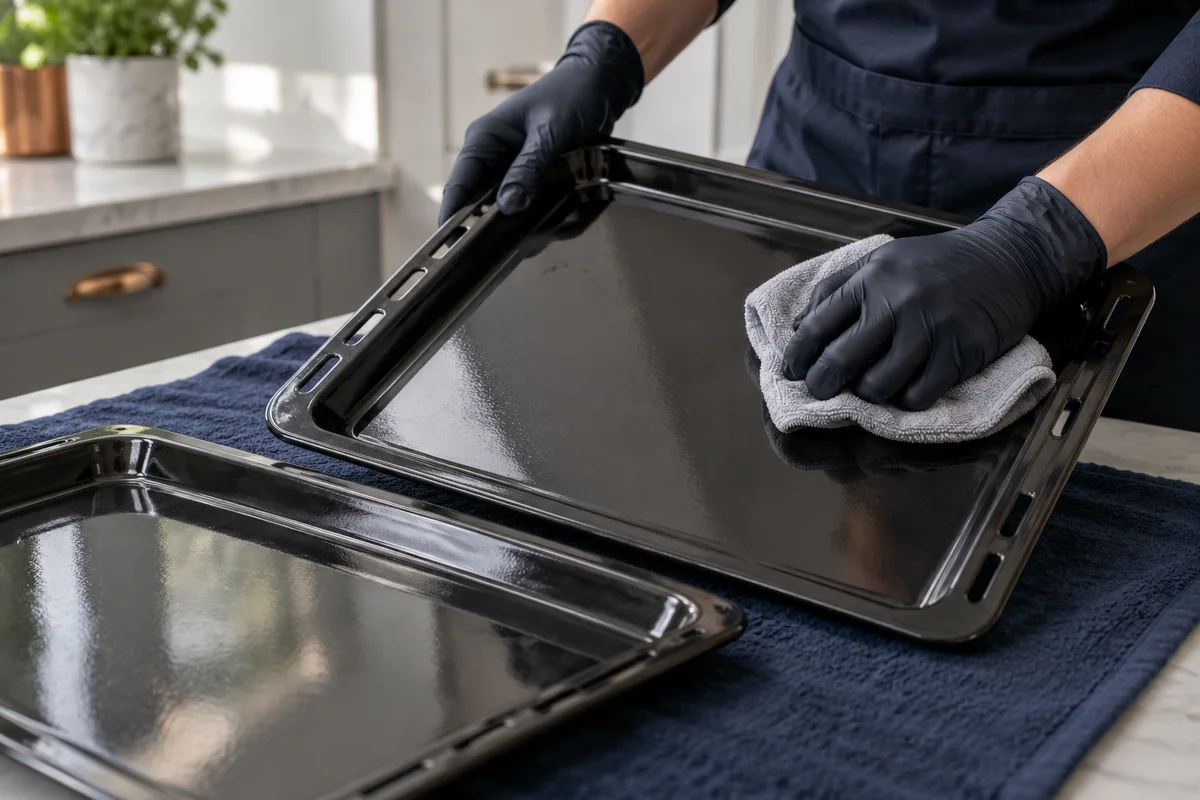
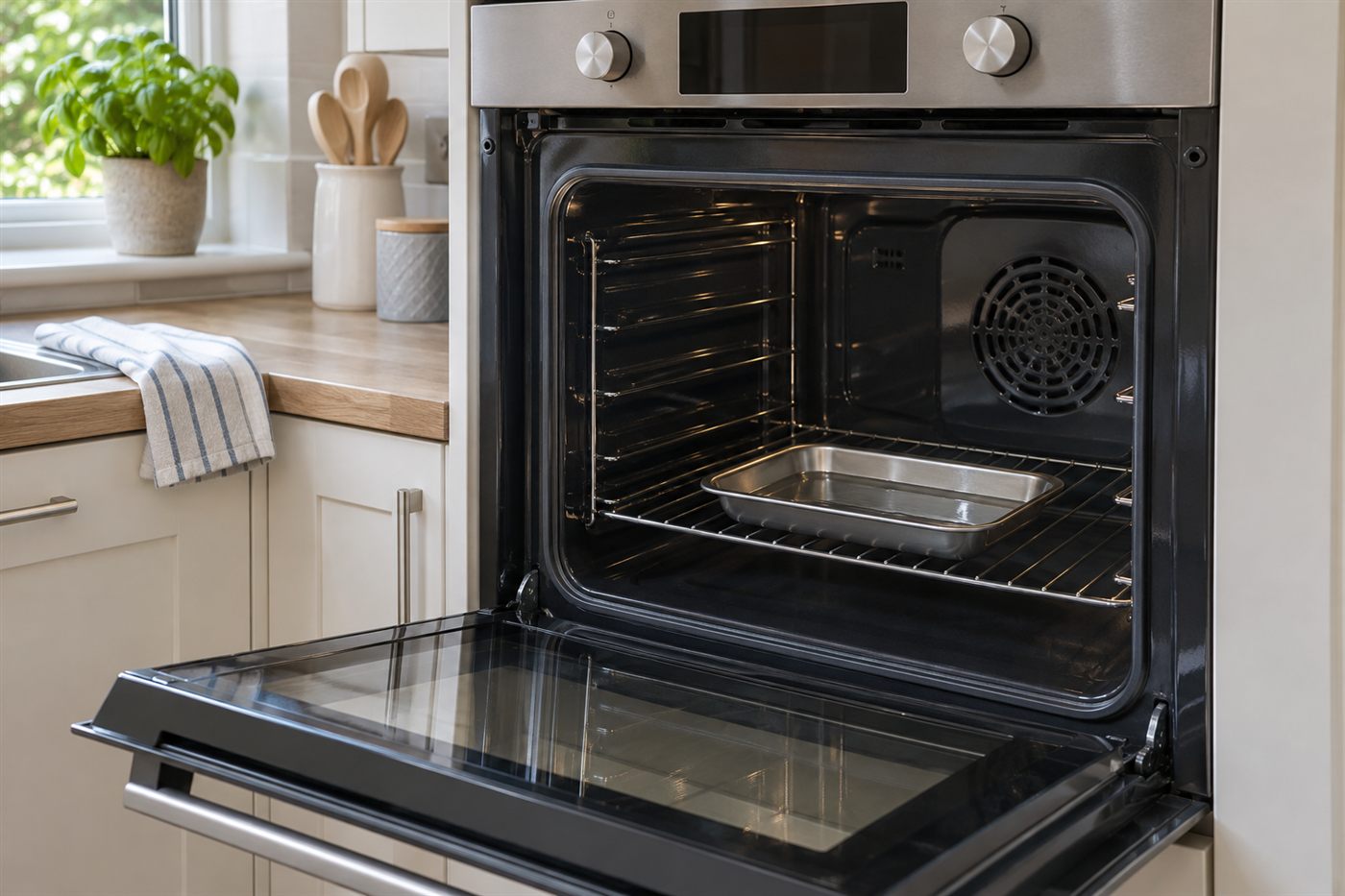
An oven does not need a complicated ritual after every meal. Let it cool, check what has spilled and deal with accessible residue using a method the manufacturer allows. Keeping a roasting dish underneath food that may drip can reduce mess, provided it does not obstruct airflow or conflict with the instructions. Racks and trays often benefit from attention before the next round of cooking hardens the deposits. Small, well-timed actions are usually easier to maintain than an ambitious weekend cleaning plan.
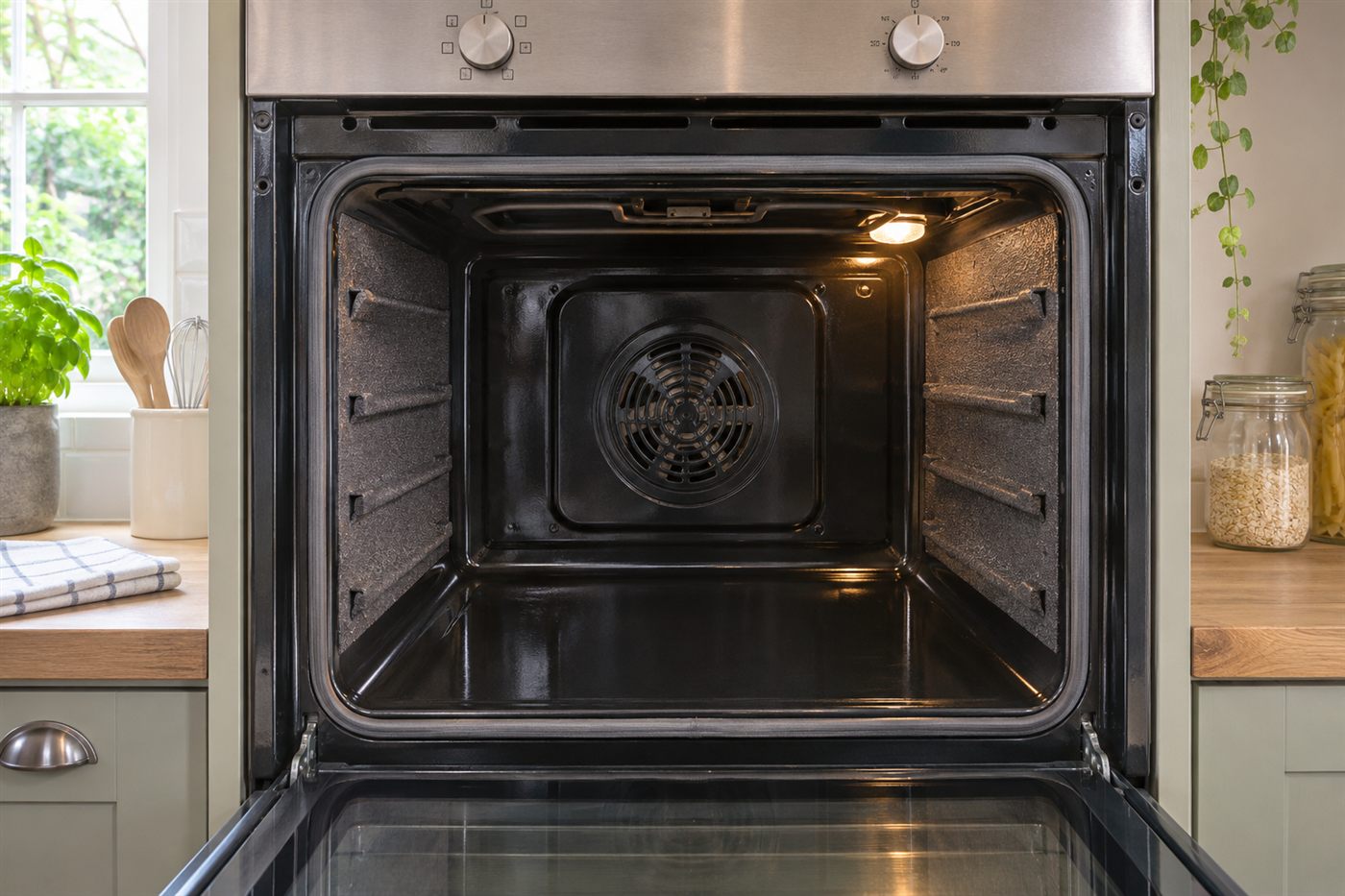
When reading oven advice, distinguish the glass, enamel, seals and specialist liners. A cleaner suitable for one is not automatically suitable for the others. Avoid spraying into controls, vents or electrical openings, and do not assume all glass panels or fan covers are designed for routine removal. The oven cleaning category explains the practical questions behind those distinctions. It also helps you recognise when the remaining work is a thorough cleaning job and when a damaged or faulty component needs another type of help.
Separate grease removal from the rest of the kitchen
Kitchen surfaces collect different kinds of residue. Near the hob it may be cooking fat; around the sink it may be water marks; inside a fridge it may be a spill from food storage. Cleaning them in the same way can waste effort or damage a finish. Choose the surface first, then the method. A mild approach suitable for a sealed worktop may be wrong for natural stone, unfinished wood or a specialist appliance coating. Check both the material guidance and the product instructions.
A practical routine also considers where used cloths and dirty water go. Do not use a cloth that has wiped raw food spills on a ready-to-eat preparation area without the appropriate cleaning and separation. Clean visible debris before applying a product intended for a particular purpose, and follow its instructions rather than shortening the stated use time. The kitchen cleaning guides focus on organising these ordinary tasks so that a tidy-looking room also makes sense as a place to prepare food.
Read seasonal advice in the right order
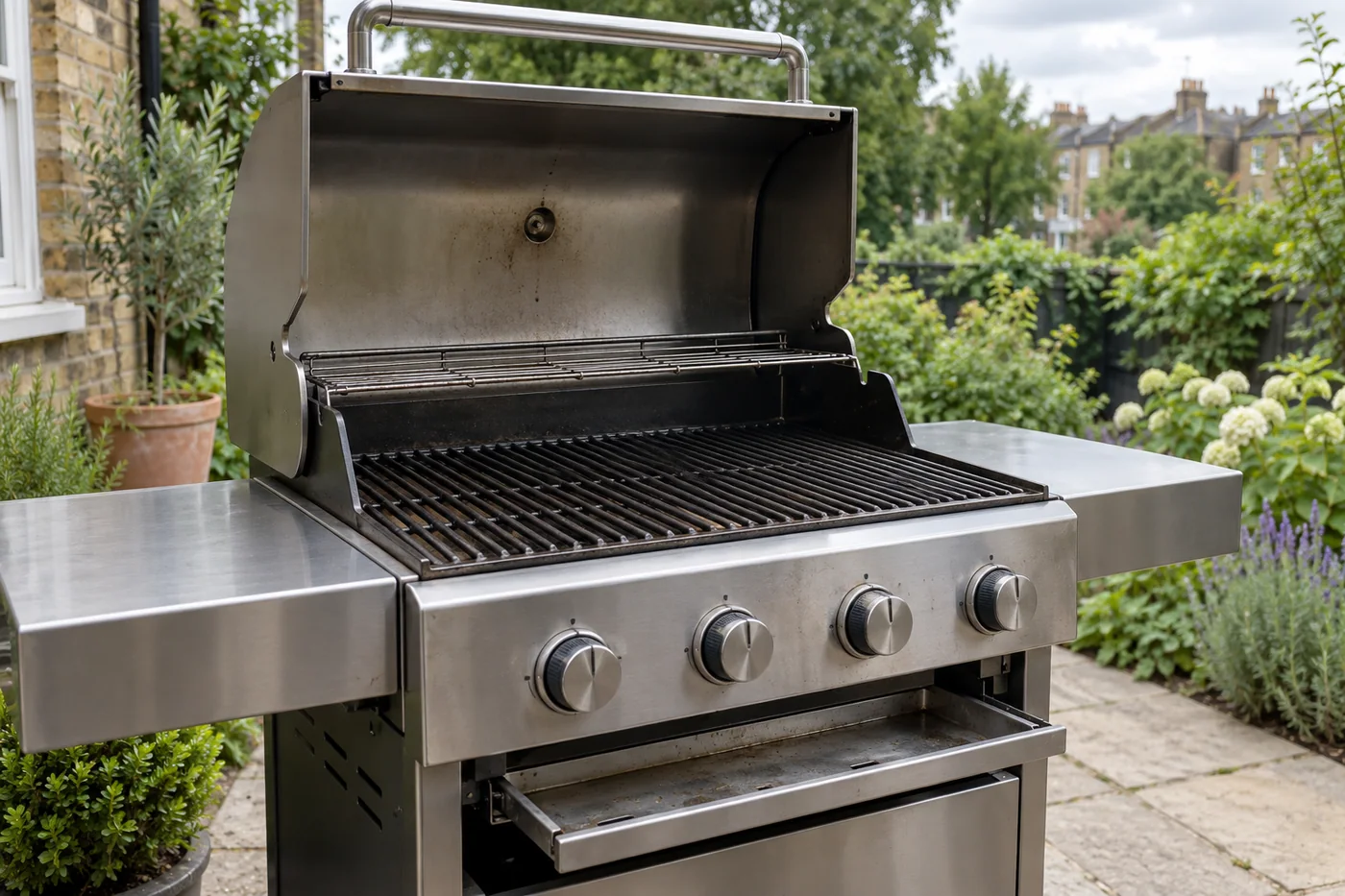
A BBQ brought out after storage needs inspection before a cosmetic polish. Check its instructions, condition and fuel system before thinking about the first meal. Rust, damaged connections or a missing component are not things a cleaning product can solve. The BBQ articles help organise preparation, removable cooking surfaces and the surrounding work area. Keep food preparation separate from dirty cleaning equipment, and arrange enough time so that the job is not rushed while guests are already waiting.
An oven used more heavily for family visits or holiday cooking may also need a little planning. Check racks and trays before you need them, make space for larger dishes and avoid discovering heavy deposits halfway through an ambitious menu. Seasonal advice is most useful as a prompt to inspect and prepare, rather than a reason to buy new products. The right task depends on how you use the kitchen, not simply on the month written on the calendar.
Know when a tip is not enough
Some deposits need time and a suitable method; some marks are wear. Scratched glass, chipped enamel and a damaged seal will not become new through extra scrubbing. Likewise, unusual smoke, gas concerns, electrical faults or persistent operating errors should not be treated as ordinary dirt. Stop using equipment if you believe it may be unsafe and seek the appropriate assistance. Cleaning advice should never encourage you to ignore the condition of the appliance or work around a safety concern.
If you would rather arrange a service, describe the appliance and the particular area that needs attention. The oven, AGA, BBQ, fridge, commercial kitchen and tile and grout pages cover different requests. Ask what is included and which extras need a separate quote. A useful article can help you prepare the information, but it does not replace an assessment of your own equipment. Photographs help show condition; the make, model and description explain details a picture may not reveal.
Turn a guide into a small, finished task
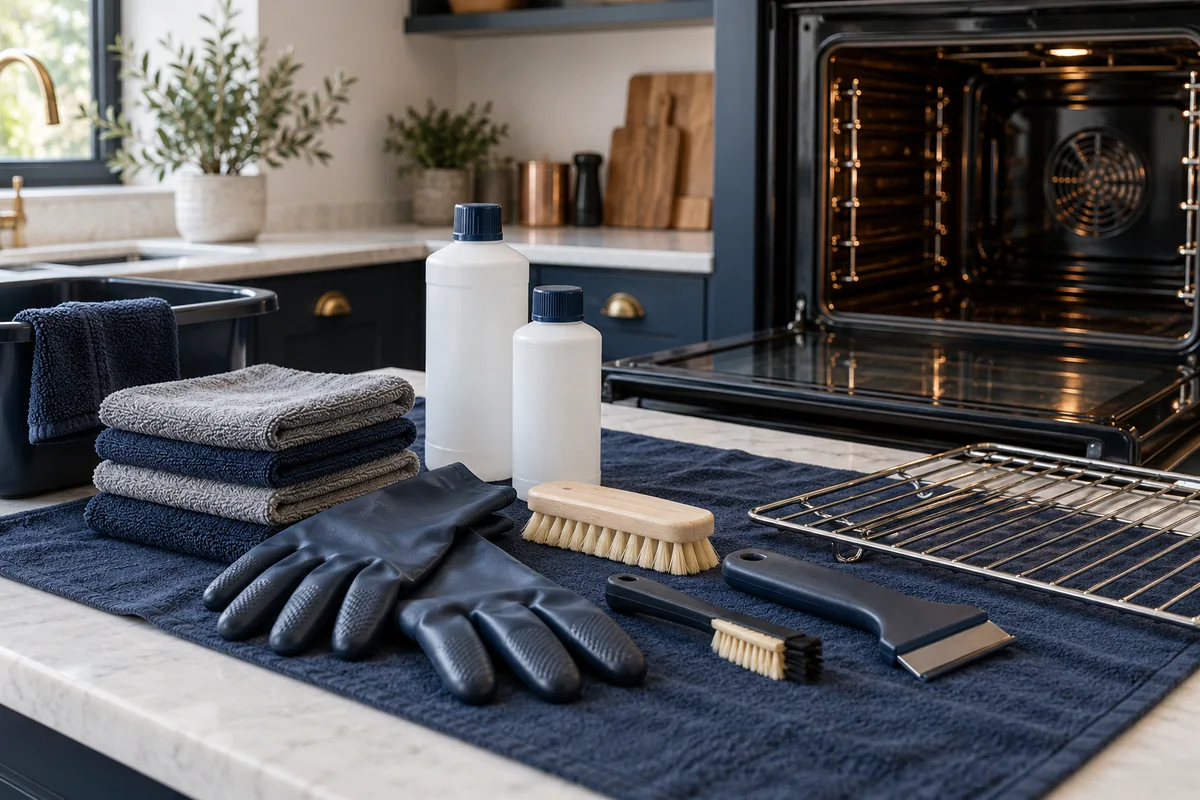
Choose a manageable starting point, such as one cooled rack, the accessible door surface or a fridge shelf after the food has been stored safely. Gather the suitable equipment before starting and protect adjacent finishes where necessary. Work through one task rather than covering several surfaces with products at once. That makes it easier to follow the instructions, keep track of contact time and avoid accidental mixing. Finish by checking the area and putting the equipment away safely.
Keep a note of what worked for your appliance, especially if its instructions require a particular method. The next clean then begins with useful knowledge rather than another search through conflicting tips. You may find that a simple habit after roasting prevents the same problem returning so quickly. Browse the related articles when a different issue arises, and choose advice because it fits the surface and task. A reliable routine grows out of your own cooking patterns and the equipment you use.
Find the right kind of kitchen guide
| What you notice | Where to start | Check first |
|---|---|---|
| Baked-on oven deposits | Oven cleaning guides | Liner and surface instructions |
| Greasy work areas | Kitchen cleaning guides | Material and product compatibility |
| BBQ after storage | Seasonal BBQ preparation | Condition and safe operation |
| Persistent operating problem | Appliance instructions and suitable specialist | Whether the equipment is safe to use |
Featured guides
How to clean oven grease and kitchen tiles without damaging the finish
Grease rarely stays inside the oven. It collects on the door, travels onto nearby tiles and settles into the grout behind the hob. Cleaning these surfaces together makes sense, but treating them all with the same product does not. This guide helps you plan a careful kitchen clean around the materials you actually have, rather than a cupboard full of supposed miracle ingredients.
Everyday oven cleaning: a practical guide to spills, racks and glass
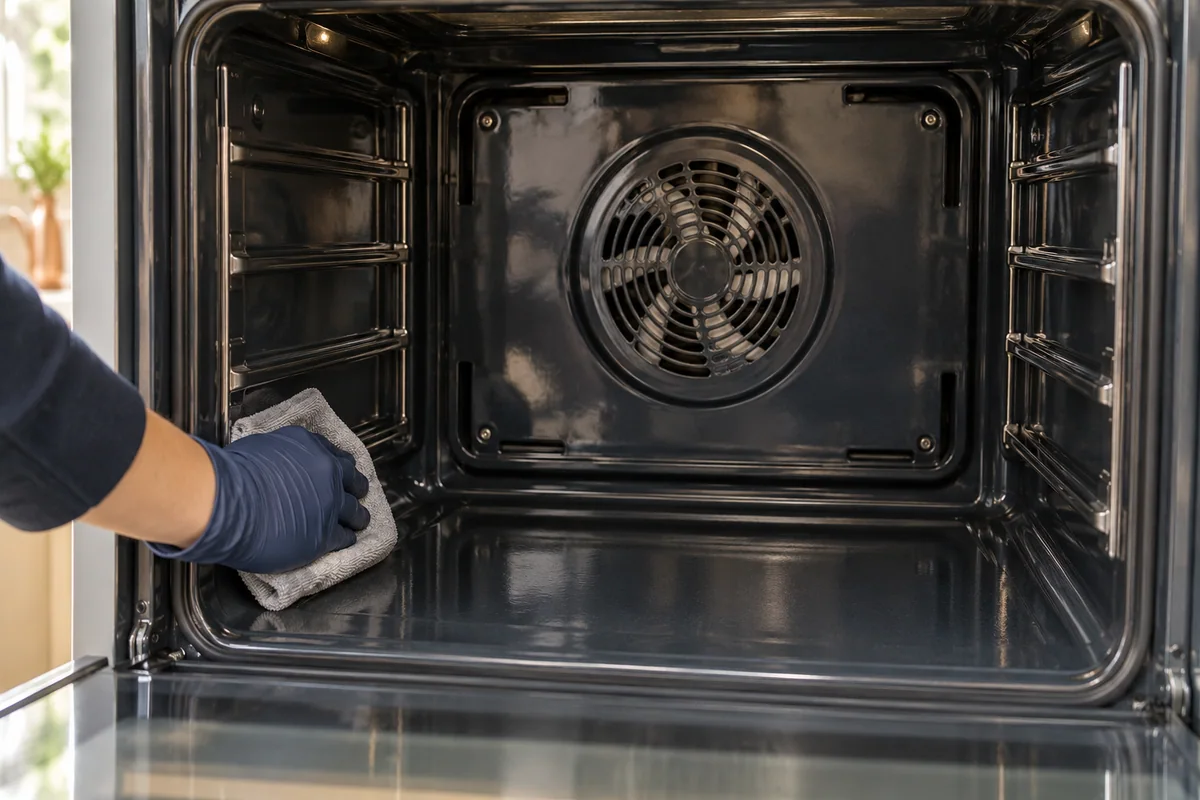
The most useful oven cleaning habit is noticing a spill before it becomes part of the appliance. A small sauce splash, a sticky rack and a foggy patch on the door do not all need a full deep clean. They do need the right response. Here is how to separate everyday upkeep from the jobs that deserve more time or professional attention.
Where kitchen grease collects and how to remove it thoughtfully
A kitchen can be freshly washed and still feel sticky around the cooker. The missing areas are often above eye level, underneath a cupboard lip or behind a row of bottles. Following the grease rather than repeatedly polishing the same worktop gives you a better plan. Start with the cooking area, identify the surfaces and work outwards in manageable sections.
How to plan professional oven cleaning around your kitchen
Booking an oven clean should make life simpler. The best preparation is not scrubbing the appliance first; it is knowing what you own, what needs attention and what the quotation covers. This guide explains the decisions that make a professional appointment easier to arrange and easier to assess, whether you have one busy oven or several cooking compartments.
Kitchen hygiene at home: a clear routine from preparation to washing up
A tidy kitchen and a hygienic kitchen are related, but they are not the same task. A polished oven door does not tell you whether a chopping board is ready for salad, and a clear worktop is not useful if the cloth used on it is dirty. A good routine follows what happens to food, hands and equipment throughout a meal.
Caring for your BBQ and oven without treating them as the same appliance
A greasy BBQ grate and a sticky oven shelf may look similar, but the appliances around them are very different. Outdoor cookers face weather and storage, while an oven contains glass, seals and specialised liners. Looking after both is easier when you organise the work together but choose the method separately. Here is a practical way to do that without a collection of risky shortcuts.
A low-stress kitchen cleaning routine for busy households
An ambitious kitchen cleaning list often fails at the point where dinner needs cooking. The practical alternative is to define what must be ready now, what can wait for a quieter session and what needs specialist help. You do not need to complete the entire room every evening. You do need a routine that leaves the kitchen usable and does not create more unfinished work.

A year-round kitchen care plan that follows how you actually cook
The calendar can remind you to look at the kitchen, but it cannot tell you how dirty your oven is. A year-round plan works best when it combines occasional reviews with the evidence in front of you. Use seasonal changes as a prompt to check cooking habits, storage and appliance condition, then choose work that will make the room easier to use.
Preparing your BBQ for the season: condition, cleaning and cooking space
The first outdoor meal is easier to plan when the BBQ has been checked before the shopping arrives. Storage can hide dirt, damp and worn components, while the cooking area may need organising as much as the grill itself. Set aside a separate preparation session, find the manual and work through the appliance’s condition before choosing the menu.
Getting your oven ready for summer meals and busy weekends
Summer does not necessarily mean the oven gets a holiday. Roasted vegetables, baked fish, family gatherings and food prepared ahead can still keep it busy. Preparing the appliance is mainly about checking its condition and making sure the parts you need are ready. A thoughtful clean before a busy weekend is easier than discovering a greasy tray while ingredients are already on the counter.
Latest guides
New practical guides appear here as they are published.

Steam-Clean Oven Settings: What They Can and Cannot Remove
Steam-assisted cleaning can loosen fresh, light deposits, but it is not designed to erase every baked-on stain. Learn how to use the setting within your oven’s instructions and…

Pyrolytic Oven Cleaning: What to Check Before Running the Cycle
A pyrolytic cycle can reduce some oven residue at very high heat, but safe preparation is model specific. Use this checklist to inspect the appliance and its surroundings…
Cleaning an Oven with Catalytic Liners: A Careful Guide
Catalytic panels are designed to deal with some cooking fat, but they are only one part of an oven. Here is a careful way to identify the liners,…

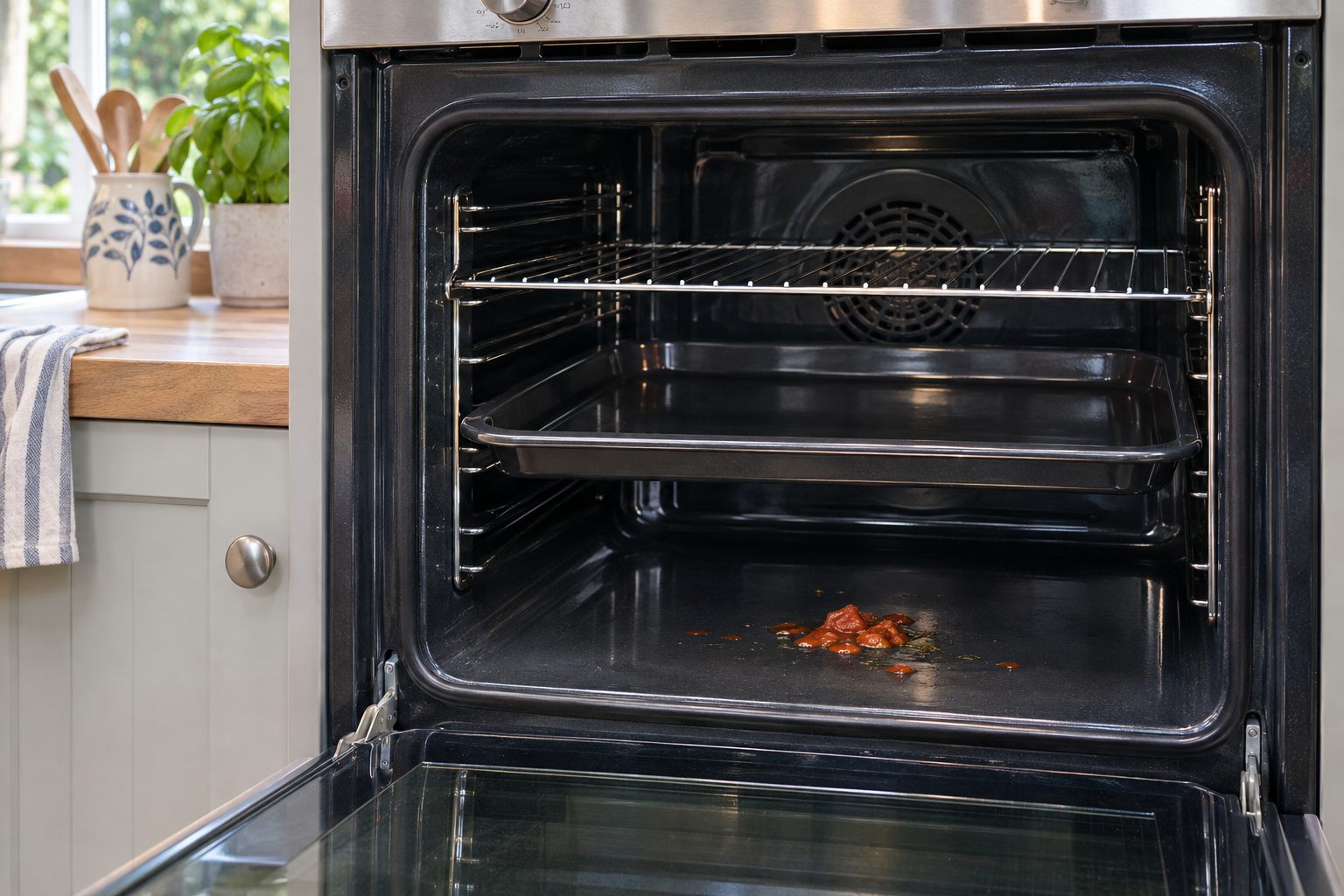
What to Do When Food Spills on the Oven Floor
A bubbling dish can leave food on the oven floor. Pause, let the appliance cool and identify whether the spill is on a removable tray or the fixed…
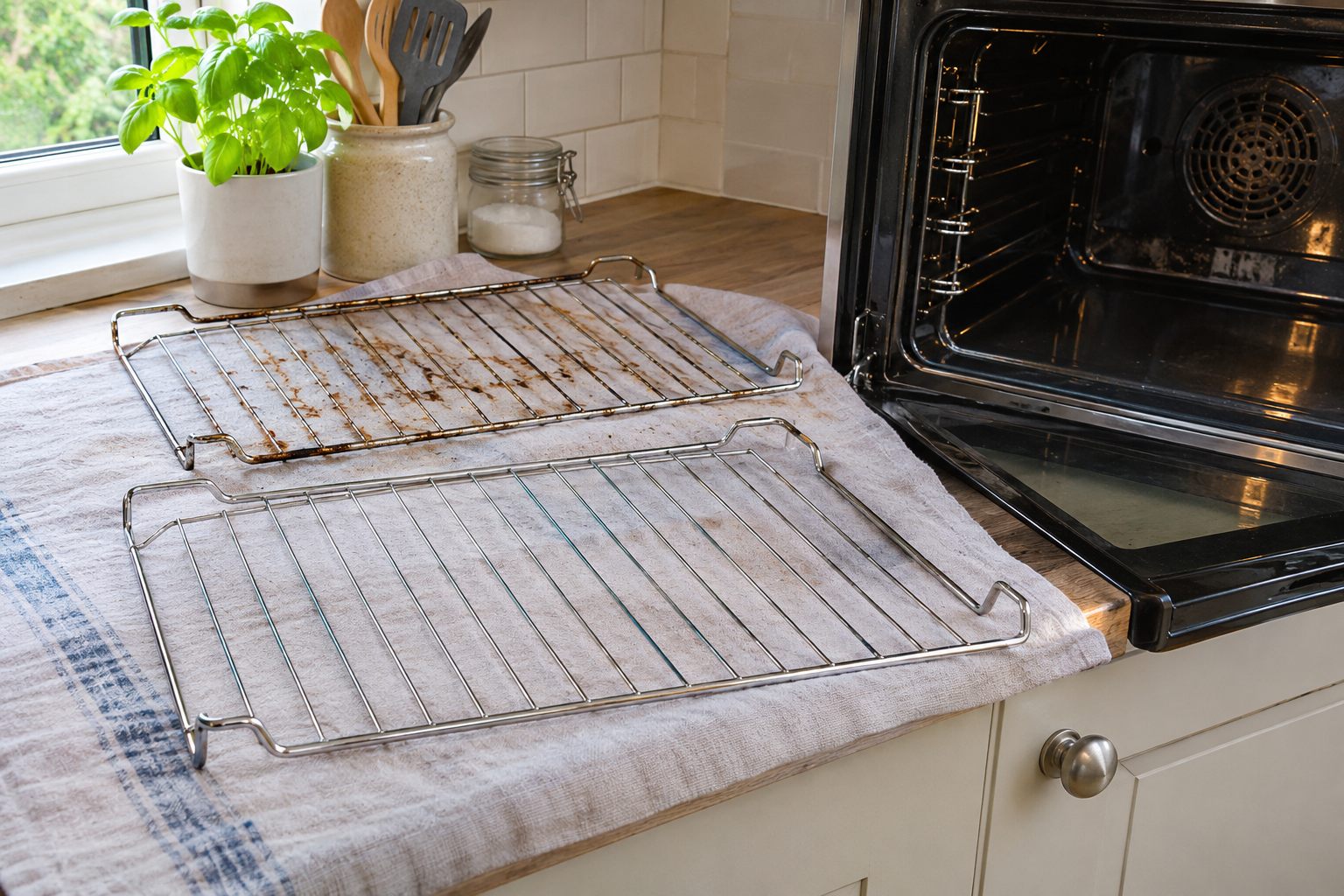
Cleaning Oven Racks Without Damaging Their Finish
Oven racks are not all the same. Identify the finish first, then choose a cleaning method that respects the metal, coating and any sliding mechanism.
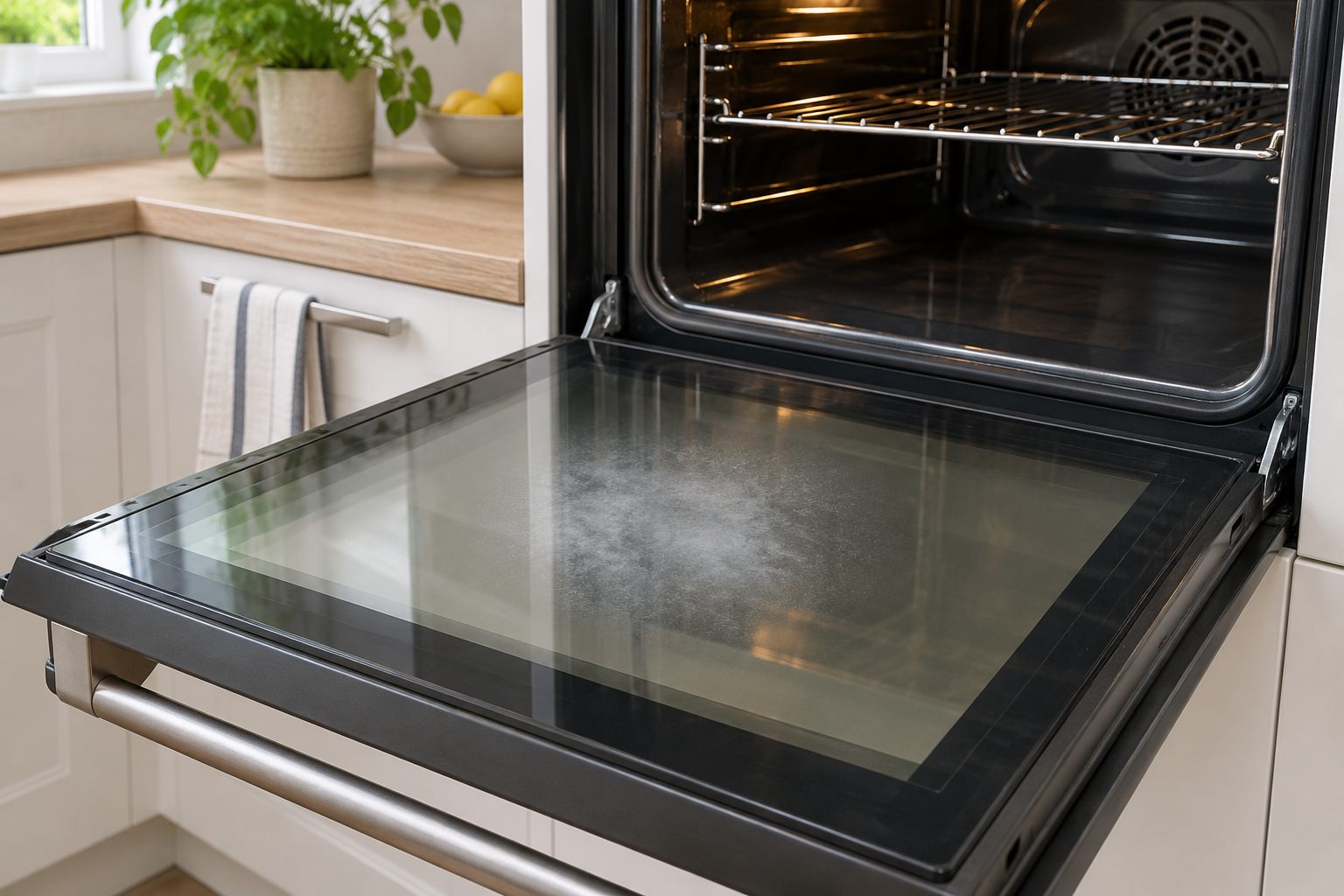
Why Does Oven Door Glass Stay Cloudy After Cleaning?
A cloudy oven door can have several causes. Find out what is safe to clean, what may be trapped between panes and when to stop scrubbing.
Oven Door Seals: What You Can Clean and What Needs Repair
A greasy oven door seal can often be cleaned gently, but a torn or loose gasket needs a different response. Here is how to tell the difference without…
Your questions, answered
Which guide should I read first?
Choose the article that matches the surface and problem, rather than the most dramatic photograph. A tray, a door seal and a worktop need different care. Read the preparation and limitations before trying the method.
Can I use the same cleaner throughout the kitchen?
Only where its label and the surface guidance allow it. Materials differ, even within one appliance. Keep products in their original containers and do not mix them. A strong cleaner is not automatically a suitable cleaner.
How often should I follow a full cleaning routine?
Base the routine on use and condition. Fresh spills, frequently used trays and food preparation areas may need attention much sooner than an occasional deep clean. A rigid schedule is less useful than noticing what your kitchen actually needs.
Are cleaning guides a replacement for my appliance manual?
No. The manual contains model-specific instructions about liners, removable parts and cleaning functions. Use general guides to organise the task, while following the manufacturer’s directions for your appliance and the label on any product.
When should I arrange professional cleaning?
Consider it when deposits are extensive, access is awkward or you would prefer a thorough service. Describe the equipment and condition first. Cleaning does not repair faults, restore damaged finishes or replace a safety inspection.
Talk it through with Savvy
Tell us what needs attention.
Have your postcode, appliance or surface details and preferred day ready. We can discuss the work and quote before you book.