
Plan the visit well
Planning Oven Cleaning in London
Arranging oven cleaning in London involves more than choosing a date. Use these guides to describe your cooker, compare what is included and organise access so the appointment fits your household.
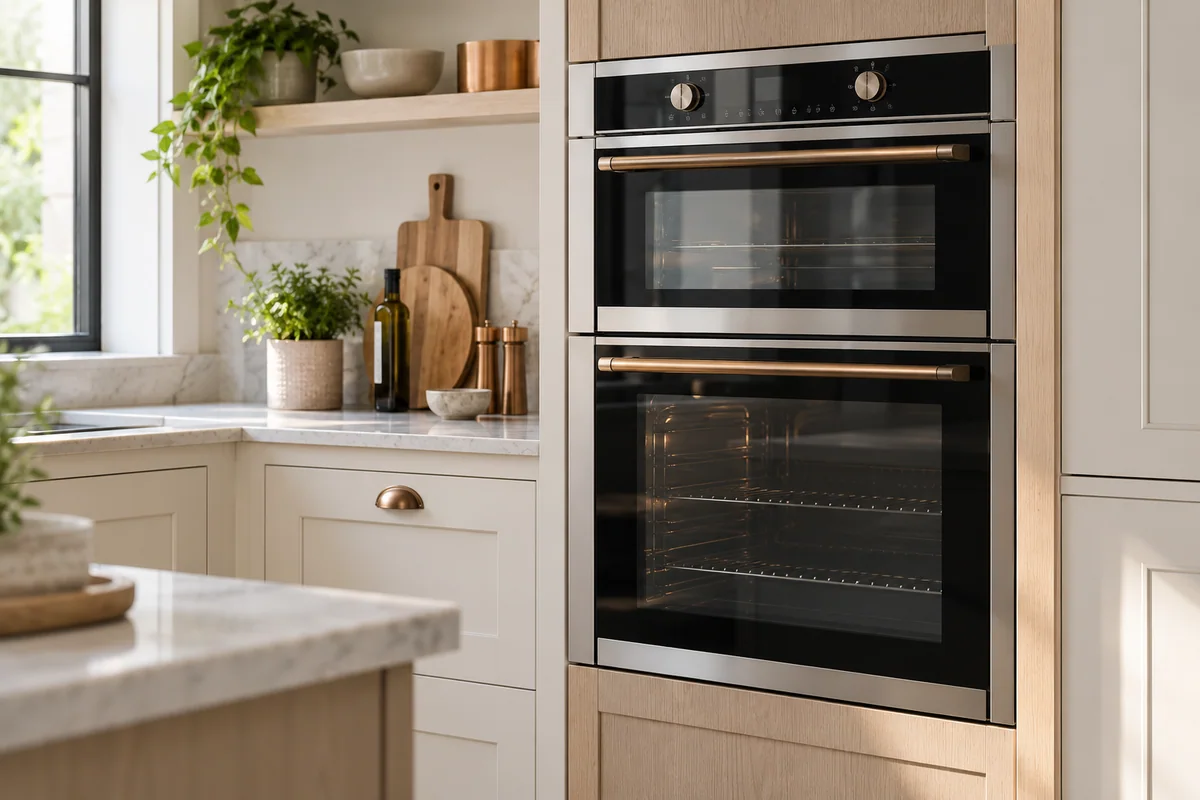
Begin with the appliance rather than the postcode alone
Your postcode helps establish whether a visit can be arranged, but the oven details shape the work. Explain whether you have one cavity, two separate compartments, a range cooker or an AGA. Approximate width and the make and model are useful if available. Count the racks and trays you want included. A clear description avoids comparing a basic single-oven quote with a job that includes two cavities and several additional accessories.
Mention existing damage and unusual construction when you enquire. Loose hinges, damaged seals, specialist liners and glass between panes can affect what is appropriate. A photograph is helpful for overall condition, but a written or spoken explanation adds the details it cannot show. You do not need to diagnose every mark. The aim is to give an accurate starting point and ask how the proposed service relates to your actual appliance, rather than an assumed standard model.
Compare the work behind the price
Two prices are only useful to compare when they cover the same job. Ask about cavities, racks, trays, door glass and any model-specific limits. A separate hob, extractor or microwave should be identified rather than assumed to be part of the oven service. Check whether access arrangements or additional work affect the total. Keep a written record of what has been agreed so the person providing access understands the same scope as the person who made the booking.
A low headline figure does not tell you how a particular range cooker or heavily used appliance will be handled. Equally, a higher figure is not proof that every component can be dismantled or restored. Ask practical questions about your model and condition. Cleaning removes residue; it does not replace worn parts or repair an operating fault. Clear limits make the quote more useful because they help you judge the service against a realistic outcome.
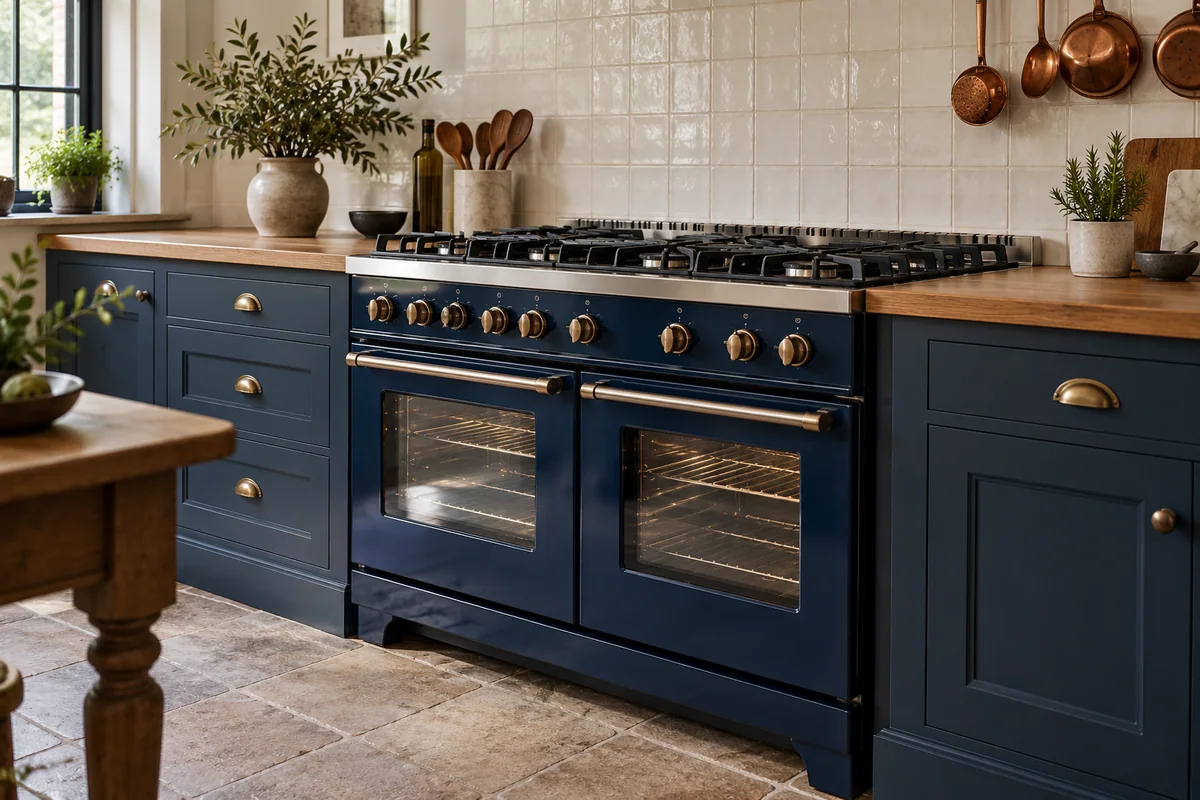
Make building access part of the plan
London properties can involve entry systems, shared hallways, stairs, controlled parking or a distance between the vehicle and the kitchen. Describe these arrangements before the appointment. In a managed block, check whether reception or a concierge needs notice. If parking is restricted, explain the available options without promising a space you cannot reserve. These details help the visit be organised and allow any access-related arrangements to be discussed before the cleaner arrives.
When someone else is letting the cleaner in, decide who can answer questions and authorise changes. A keyholder may know the access code but not the number of trays included in the booking. Give them the confirmation and point out existing appliance damage in advance. If several contractors are visiting the property, agree a workable sequence. An oven cleaning visit is easier to coordinate when the kitchen is available and the route to it is clear.
Avoid last-minute scheduling assumptions
A same-day request is worth making if timing matters, but it depends on actual availability and the work involved. Give the postcode and appliance details early in the conversation and offer alternatives if you can. Do not assume a general service description confirms a particular slot. Wait for the appointment arrangement before planning a meal, tenancy inspection or other event around the oven being ready. A confirmed booking is more useful than an optimistic estimate.
For a move or tenancy handover, allow room for cleaning, inspection and any unrelated repair issues. A cleaner cannot guarantee that a worn appliance will look new or that an inventory decision will go a particular way. Describe the condition honestly and agree the relevant work. If an oven has a fault, arrange the appropriate repair advice separately. Keeping cleaning and repair expectations clear helps avoid losing time when an important deadline is already close.
Prepare the kitchen without dismantling it
Follow the preparation agreed for your appointment. The oven should be at a safe temperature, and the route and immediate work area should be clear. Keep children and pets away from equipment while the work is taking place. Do not pull a heavy built-in appliance out, disconnect supplies or undo fitted panels yourself simply to get ready. If something is difficult to access, describe it and ask what is needed rather than creating a new problem.
Extra appliances need their own preparation. A fridge clean requires a plan for keeping food safely stored. A BBQ may need access to outdoor space and information about the fuel system. A commercial kitchen visit must fit the operating schedule and the agreed equipment list. These tasks can be discussed together, but they are not identical. Read the relevant service page and ask how a combined request changes the scope, time and arrangements.
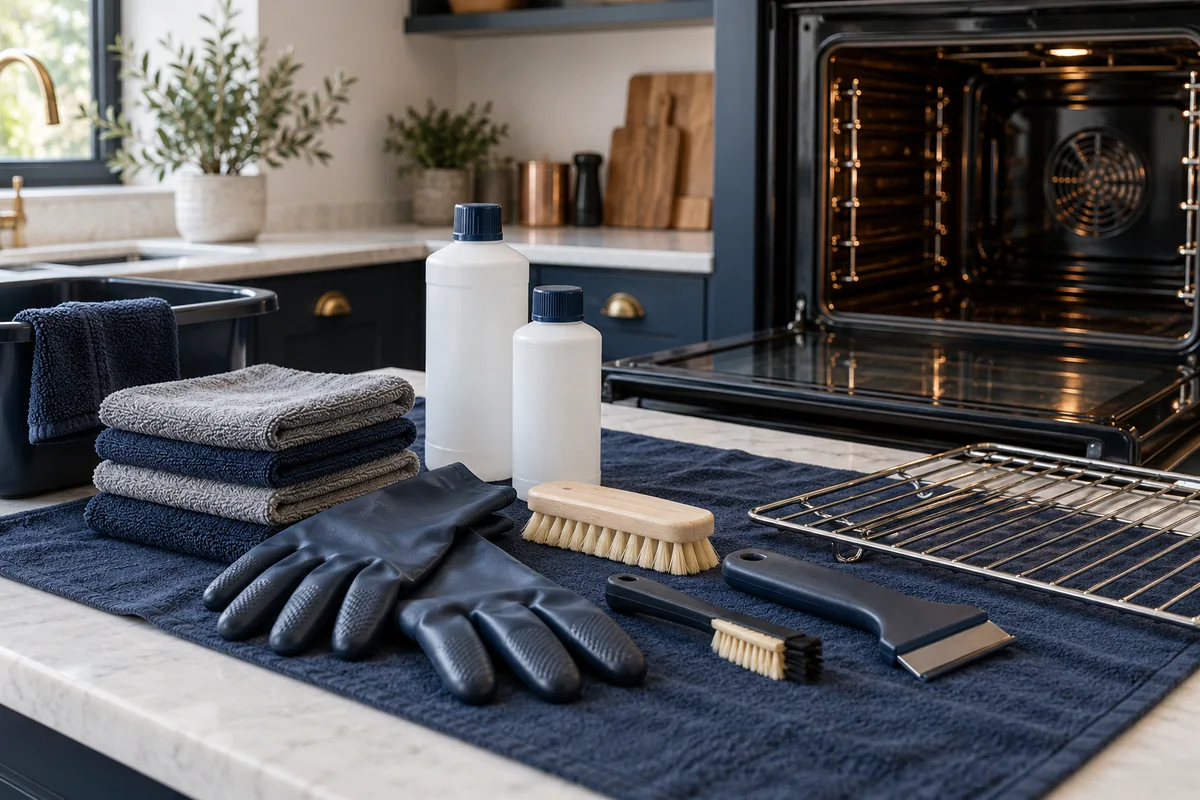
Use the visit as a starting point for easier care
Once the agreed cleaning is complete, ask about any relevant aftercare and when the appliance can be used. Follow the instructions for your own model and any product-specific guidance. Keep the booking details available if you have a follow-up question about a particular area. A useful description, such as the inner glass or a specific rack, makes that conversation clearer than a broad statement that the oven needs attention.
For ongoing care, focus on the deposits your cooking produces. Roasting, baking and occasional reheating leave different patterns. Suitable cookware can reduce spills, while accessible fresh marks are often easier to deal with once the oven is cool. Avoid covering vents or adding improvised floor protection unless the manufacturer allows it. The articles in this category connect practical household maintenance with booking preparation, helping you make the next decision with a better understanding of the appliance and the work involved.
London oven cleaning appointment checklist
| Stage | Useful action | Why it matters |
|---|---|---|
| Before enquiring | Count cavities and accessories | The quote describes the actual job |
| Comparing quotes | Check inclusion and extras | Prices can cover different work |
| Planning access | Explain entry, stairs and parking | Arrival can be organised |
| Before the visit | Follow cooling and preparation instructions | The appliance is ready safely |
| After the visit | Keep scope and aftercare details | Follow-up questions stay specific |
From the journal
How to plan professional oven cleaning around your kitchen
Booking an oven clean should make life simpler. The best preparation is not scrubbing the appliance first; it is knowing what you own, what needs attention and what the quotation covers. This guide explains the decisions that make a professional appointment easier to arrange and easier to assess, whether you have one busy oven or several cooking compartments.
Your questions, answered
Does my London postcode determine the whole quote?
No. Location is one part of arranging a visit. The appliance type, compartments, condition, accessories and access arrangements also matter. Give both the postcode and an accurate description of the equipment when asking about the service.
Should I book cleaning before a tenancy inspection?
Allow a sensible gap so the work can be completed and the appliance checked. Explain the deadline when enquiring, but do not assume cleaning will repair wear or determine an inventory outcome. Keep the agreed scope and booking confirmation.
What if parking near my building is restricted?
Describe the restrictions and any legitimate visitor arrangements before booking. Do not promise a parking space that is not available to you. Ask how access and any related charges will be handled so the appointment details are clear.
Can the cleaner work while other contractors use the kitchen?
Discuss the schedule first. Shared space, blocked access and other ongoing work can make an appointment difficult. A planned sequence is usually more useful than assuming everyone can work around the same appliance at the same time.
What should I check when comparing two offers?
Compare the same appliance and list of components. Ask about extra cavities, racks, trays, glass access, additional appliances and the full proposed cost. Confirm the actual appointment arrangement and read the service terms supplied with the booking.
Talk it through with Savvy
Tell us what needs attention.
Have your postcode, appliance or surface details and preferred day ready. We can discuss the work and quote before you book.