
A practical clean for a working kitchen
Commercial Kitchen Cleaning London
A busy kitchen cannot simply stop and wait for a vague deep-cleaning promise. It needs a defined equipment list, clear access arrangements and a handover that fits the next service. Savvy offers commercial kitchen cleaning in London for agreed surfaces and appliances. Tell us how your premises operate so we can discuss a practical scope, from cooking equipment to the surrounding areas that need attention.
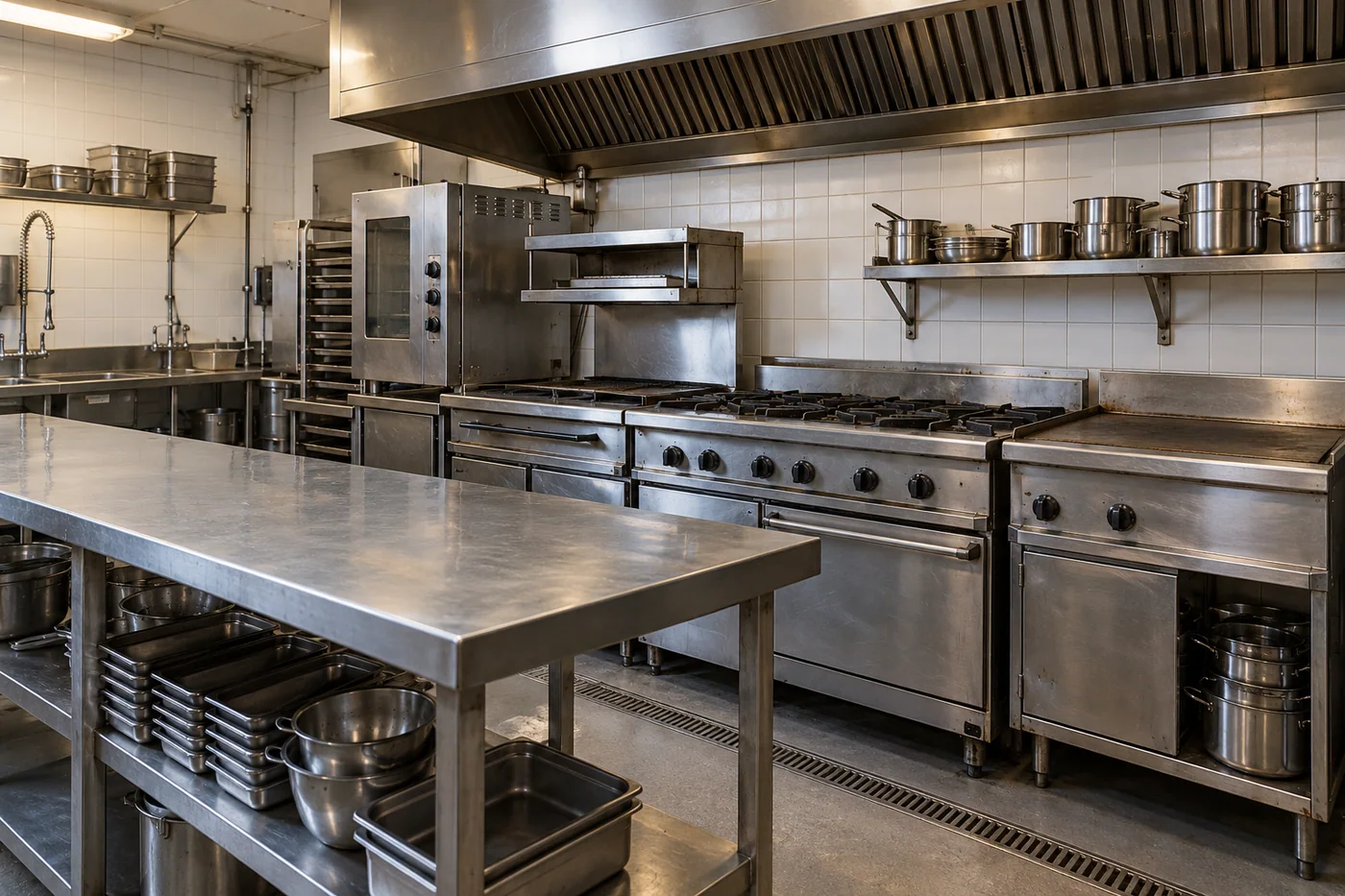
Build the scope around the actual kitchen
A café with a compact preparation area has different needs from a restaurant with several cooking stations. Start with an equipment list and photographs of the whole kitchen, including difficult corners. Describe the ovens, hobs, accessible extractor surfaces, worktops, splashbacks and other areas you want considered. Include the number and size of appliances rather than assuming that commercial kitchen explains the workload.
Identify what needs a deep clean and what is already covered by your regular team. This focuses the appointment on accumulated deposits and awkward areas. Be specific about high-level work, areas behind equipment and surfaces that cannot readily be reached. A written scope should distinguish accessible kitchen cleaning from specialist extraction ductwork, equipment servicing, waste handling or repairs. Those are separate tasks with their own requirements, and should not be implied by an all-inclusive description.
Plan around preparation and service
Tell us when food preparation ends, when the next team arrives and when the kitchen must be ready again. An after-service visit still needs time for equipment to cool and staff to clear food and utensils. The working window should allow the agreed cleaning and a proper handover, rather than just the period between closing one door and opening another.
Access arrangements matter as much as the clock. Identify who will admit the cleaner and answer questions about equipment or restricted areas. Mention loading bays, permits, stairs, alarms and building rules. If equipment needs isolation or movement, responsibility should be agreed with a suitable person on site. Heavy appliances should not be moved without considering connections and stability. Operational decisions should be made before the working window begins.
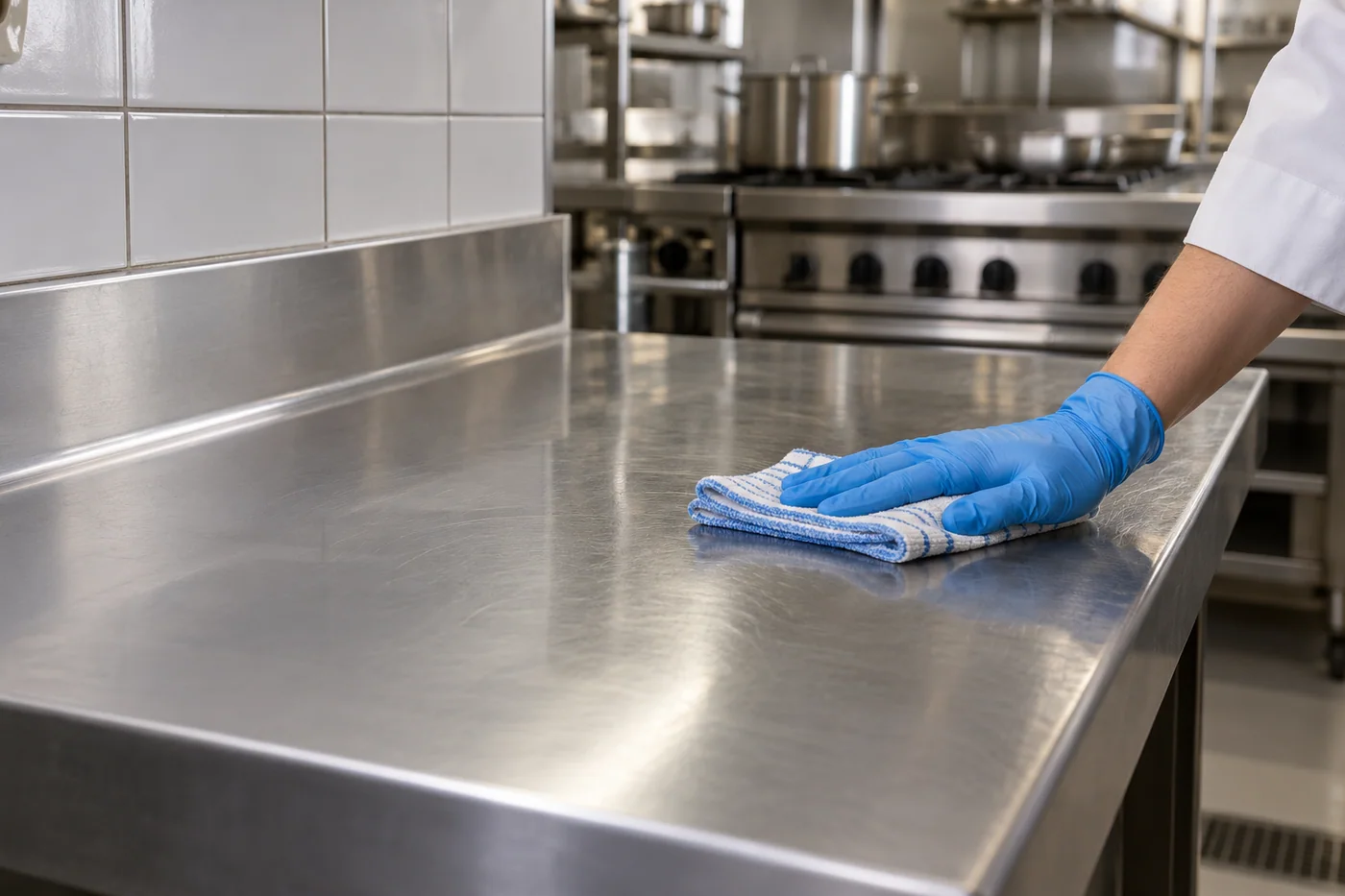
Pay attention to edges, fittings and residue
Grease on a flat stainless steel panel is easy to notice; deposits around handles, shelf supports, seams and accessible edges may be less obvious. A useful deep-cleaning scope addresses details around the main surfaces as well as broad areas. On cooking equipment, count racks, trays and suitable removable fittings explicitly, especially where different kitchen sections use their own sets.
Products and methods must suit the material and agreed use of each surface. An oven interior, worktop and delicate control panel should not all receive identical treatment. Appropriate product instructions should be observed before food-contact surfaces return to use. Keep food, packaging and clean utensils protected from work. The handover should make clear what was cleaned, what could not be accessed and whether further attention is needed.
Cleaning supports your routines
A periodic deep clean can tackle build-up that is difficult to address within a normal shift. It does not take over the daily cleaning schedule or remove the need to manage spills during service. A manager should know which areas are assigned to the regular team and which are booked for additional attention, so tasks do not fall into the gap between them.
Do not treat one cleaning visit as a promise about inspection outcomes or a particular hygiene rating. Those depend on the wider operation of the business. An accessible extractor clean is not evidence that a complete duct system has been inspected or treated. If you need specialist reports, certification or specified extraction work, raise that requirement at the enquiry stage. The quote should state whether it is within scope rather than leave a missing requirement to be discovered after reopening.
Make the commercial quote easy to check
A commercial quote should identify the location, included areas, equipment list and important access limits. Where there are several ovens, specify whether all cavities, racks and trays are included. For an extractor, distinguish the canopy, suitable removable filters and other agreed accessible parts from hidden ductwork. Floor and grout cleaning need a defined area and surface description rather than a casual mention.
Describe condition with realistic photographs. Heavy accumulations, complex layouts and restricted access affect the work. Agree whether further assessment is needed before fixing the scope. Ask how extra work will be handled if an unexpected condition is found; avoid an open-ended instruction to clean everything. If different people approve the quote and oversee the visit, give both the same written details. This reduces misunderstandings and helps the manager responsible for putting the kitchen back into operation.
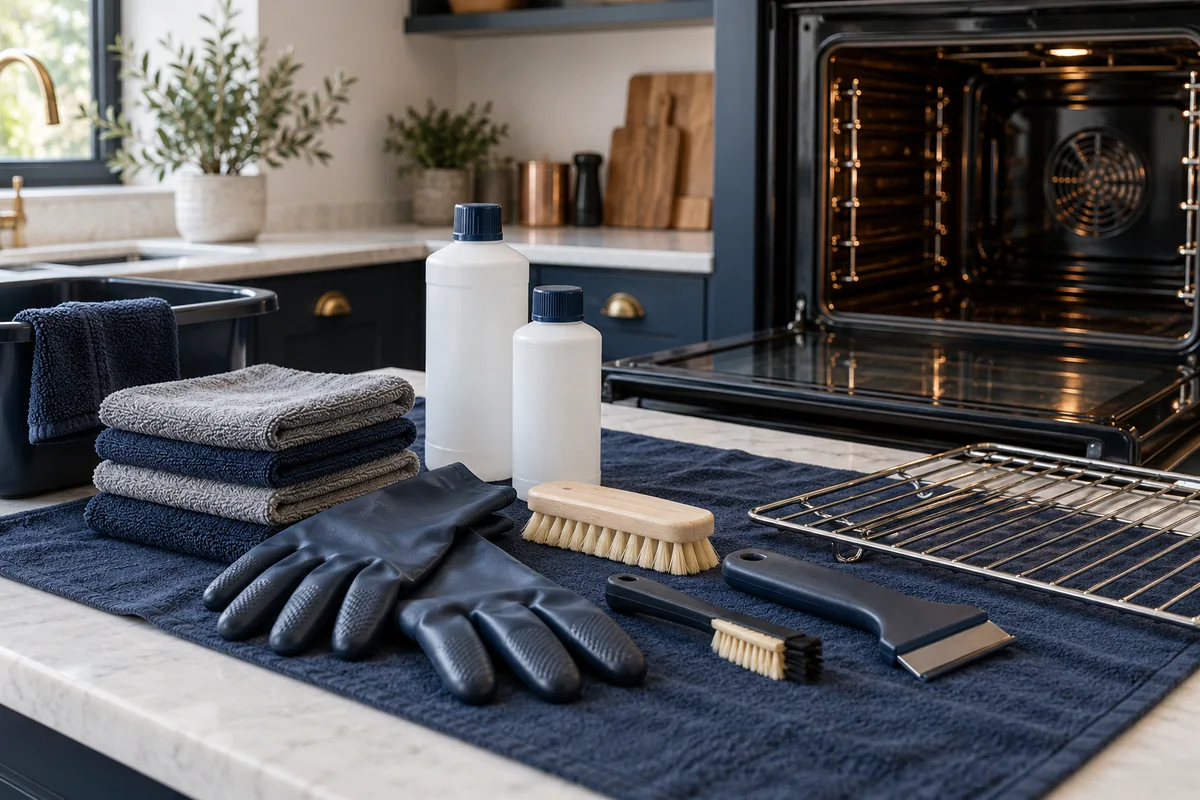
A useful handover for the next shift
Allow a responsible person to review agreed areas before the visit ends. Check the equipment list against completed work, including removable fittings. Ask for inaccessible sections, damaged surfaces and excluded items to be identified clearly. A short practical conversation is more useful than assuming that every part of a complex kitchen has received the same treatment.
Before food preparation resumes, follow your business reopening checks and relevant appliance and product instructions. Return food and utensils when the area is ready. Use the visit to refine future planning: which deposits returned quickest, which fittings needed extra time and whether the next appointment should cover a different part of the kitchen. A repeat scope can reflect what happened in this kitchen rather than copy a generic package. For a small job involving only one oven or fridge, explain that focus so the appointment remains proportionate.
Commercial kitchen cleaning: define the work before booking
| Area or situation | Useful details | Separate work to discuss |
|---|---|---|
| Ovens and cooking equipment | Accessible grease, cavities and suitable fittings | Repairs, calibration and technical servicing |
| Worktops and splashbacks | Suitable surfaces and accessible edges | Material damage or resurfacing |
| Extractor area | Agreed canopy surfaces and suitable filters | Hidden ductwork and specialist requirements |
| Tiles and grout | Defined floor or wall area | Repairs, loose tiles and sealing |
| Behind equipment | Areas with safe agreed access | Isolation, connections and moving heavy appliances |
Your questions, answered
Can the clean take place outside service hours?
Tell us the available working window and when the next shift needs access. Availability and scope must be confirmed together. Allow for cooling, food removal and a final check rather than assuming the whole job fits into any evening gap. If your opening pattern changes across the week, say which day offers the most practical window.
Does this include extraction duct cleaning?
Do not assume it does. Accessible canopy surfaces and suitable filters are different from hidden ductwork. Explain the extraction work or documentation you need so it can be assessed as a separate requirement before a quote is agreed. Specify any requirement from your landlord, building manager or insurer when discussing the scope.
Will a deep clean guarantee a particular hygiene rating?
No visit can guarantee an inspection result. The food business remains responsible for its wider operation and procedures. We can agree a defined cleaning scope, but it is not a substitute for other management tasks. Be clear about the actual work you need instead of relying on a broad promise that the premises will be compliant.
Do staff need to be present?
Arrange a responsible contact for access, equipment questions and handover. Whether someone remains throughout depends on the premises and work. Make clear who can authorise changes; cleaners should not guess which equipment may be moved or which areas are restricted. Give that person the agreed scope so decisions on site remain consistent with the booking.
Can you quote from photographs?
Photographs and an equipment list are a useful starting point. Larger, heavily soiled or complicated kitchens may need further assessment. Include wide views as well as close-ups so the quote reflects access, surfaces and equipment rather than one representative oven. Show areas you consider difficult instead of sending only the parts that are easiest to photograph.
Can we book just one section of the kitchen?
Describe the specific area you want considered, such as cooking equipment or a defined tiled floor. A focused scope can be more useful than a broad brief. Make clear what the regular team will handle so boundaries remain practical. If the kitchen must keep operating elsewhere during the visit, explain how the working area will be separated.
Talk it through with Savvy
Tell us what needs attention.
Have your postcode, appliance or surface details and preferred day ready. We can discuss the work and quote before you book.