
A manageable routine
A low-stress kitchen cleaning routine for busy households
An ambitious kitchen cleaning list often fails at the point where dinner needs cooking. The practical alternative is to define what must be ready now, what can wait for a quieter session and what needs specialist help. You do not need to complete the entire room every evening. You do need a routine that leaves the kitchen usable and does not create more unfinished work.
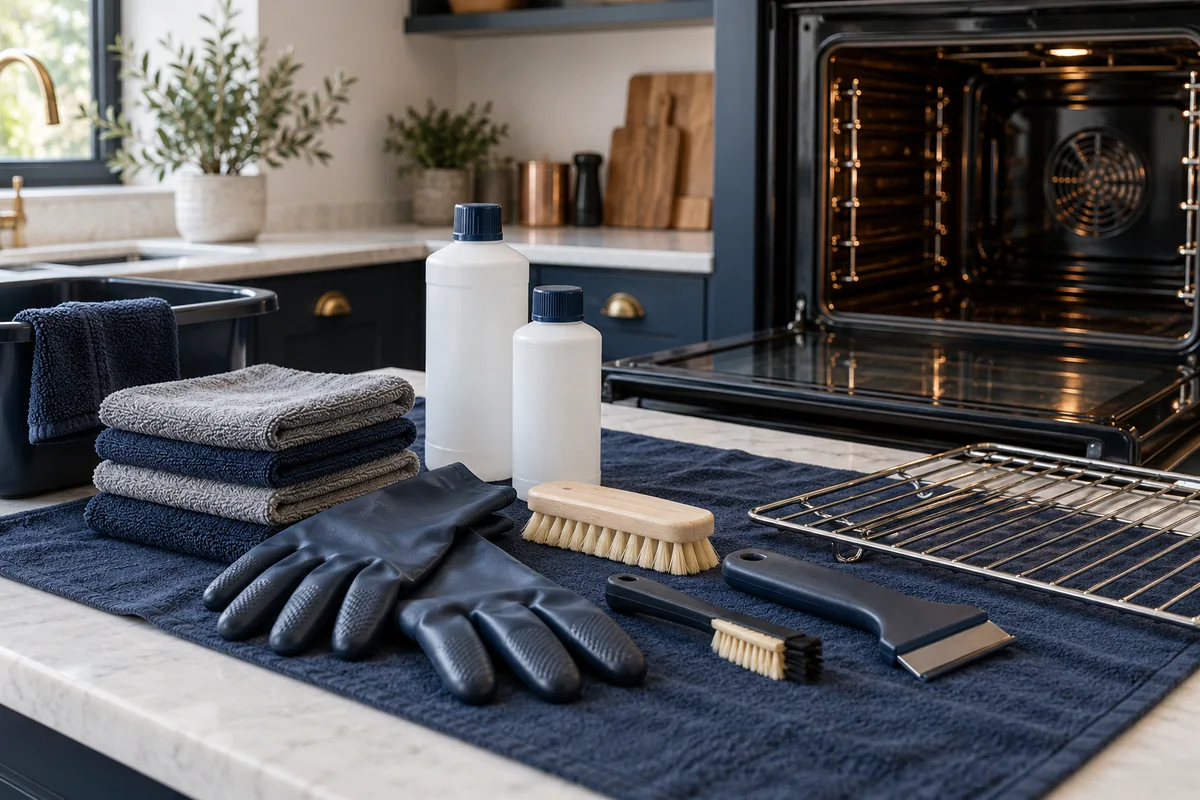
Start by defining what ready means
Write down the condition you need the kitchen in for the next meal. That might mean a clear preparation area, washed utensils, food stored appropriately and a usable sink. This is a more useful target than “make everything spotless”, which can expand to include polishing cupboards while dirty dishes still block the counter. Give the essential tasks a clear finish.
Include the household’s actual constraints. A compact flat, shift work, children’s meals or limited mobility changes how work is organised. The routine should fit those conditions rather than an idealised kitchen photograph. If you share the room, agree what can remain out and where clean items belong. A shared definition of ready prevents one person’s finished job from looking like another person’s abandoned mess.
Separate the reset from the deep clean
The everyday reset handles the work created by cooking: food put away, used equipment dealt with and appropriate surfaces cleaned. A deep clean involves tasks such as removing oven racks, treating old grease or taking out fridge drawers. Mixing the two can leave you with an oven door open, a sink full of accessories and no room to prepare breakfast.
Keep a second list for those longer jobs and give each one its own session. Choose a task with a clear boundary, such as cleaning the accessible oven glass according to the manual or reviewing one fridge shelf. Finishing a bounded task creates a usable result. Starting several rooms or appliances at once can make the whole home feel less manageable even when you have spent a long time working.
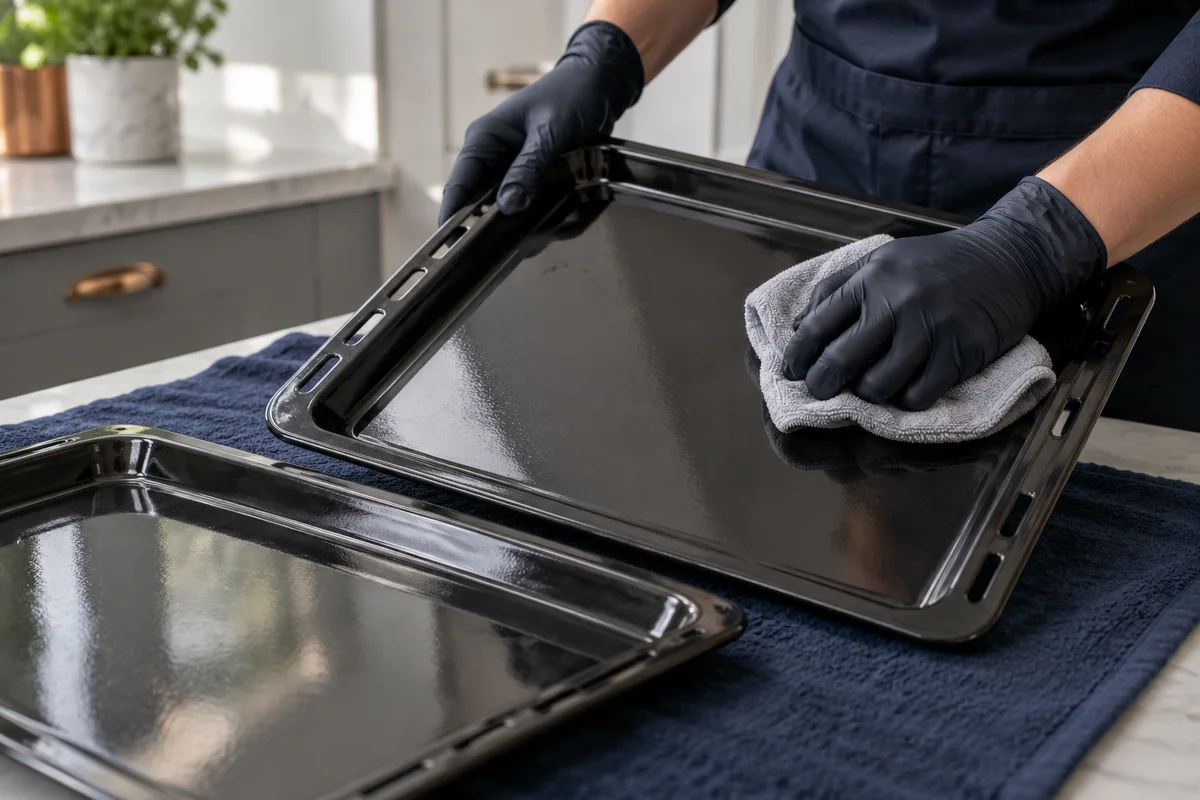
Remove the obstacles that make small jobs bigger
Notice what you have to move before wiping a worktop or splashback. A row of rarely used jars can turn a simple wipe into an unpacking exercise. Store items according to how often you use them, keeping essential food preparation space accessible. This is not a demand for bare counters; it is a way to remove unnecessary handling from a repeated task.
Keep approved cleaning supplies easy to find but stored safely and away from food. A small set of suitable products is often easier to manage than a cupboard of partly used sprays. Label any household routine clearly, without decanting products into food containers or removing safety information. Having the correct cloth and cleaner available reduces the temptation to use whatever happens to be nearest.
Give each person an observable job
In a shared home, “help with the kitchen” can mean very different things. A useful task describes the area and the result: clear the sink and wash the used utensils, or clean the cool splashback with its approved product and leave it ready to use. Keep safety instructions and material restrictions available rather than expecting everyone to remember them.
Allocate work with practical access in mind. The person who cooks late may be best placed to deal with fresh accessible splashes after cooling, while another person can handle a planned accessory clean at the weekend. Revisit arrangements that are not working. If one person continually has to redo a vague job, make the instructions clearer before assuming the solution is a stricter or much longer checklist.
Use visual cues to schedule appliance care
Look for the condition that tells you a task is due. Greasy rack joints, obscured oven glass and a spill beneath a fridge drawer are more useful cues than a general feeling that everything needs cleaning. Check the relevant manual and decide whether a short session will address the problem. Do not wait until a long list has accumulated before noticing individual issues.
Keep a note of model numbers and care instructions so that each job does not begin with another search. If an appliance has special liners or accessories, record the restrictions in the same place. This is especially useful when another household member takes over. A modest amount of information stored once can remove repeated uncertainty without turning ordinary home care into an elaborate tracking system.
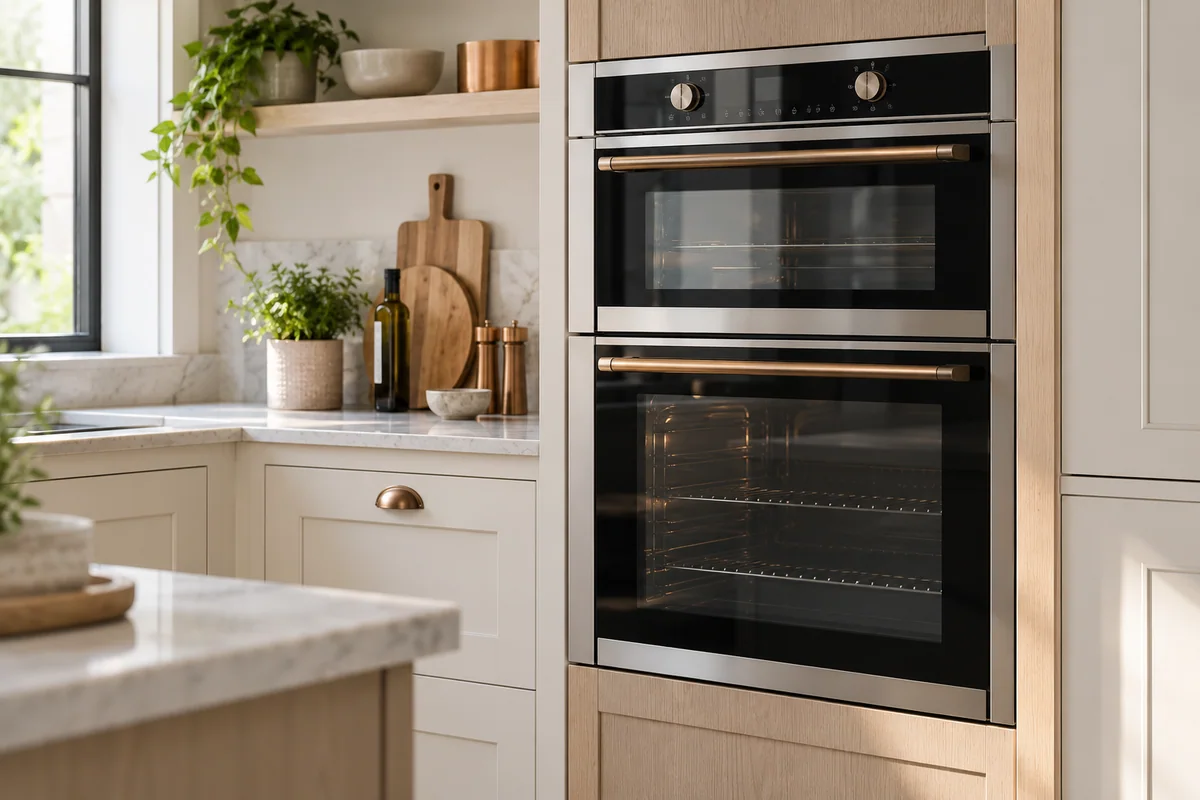
Avoid the unfinished soak problem
Before removing racks or filters, check where they will be cleaned, whether the method is permitted and when they must be ready for use. Follow the product’s contact time rather than leaving parts indefinitely because another task took over. Protect the sink, bath or container if the manufacturer allows soaking, and ensure the accessories actually fit.
Set a practical finishing point that includes rinsing, drying and refitting as instructed. Cleaning is not complete when the dirty part is sitting in water. The same principle applies to fridge drawers and oven door components: do not dismantle more than you can safely finish and restore. If you discover damage or the next step is unclear, stop and seek advice rather than improvising to meet a self-imposed deadline.
Choose outside help for the job that matters most
Professional cleaning can be useful when a particular task consumes too much time, needs equipment you do not have or has built up beyond a comfortable home clean. Name that task when requesting a quote. An oven deep clean, fridge clean and tile treatment each solve a different problem. You do not need to book a vague whole-kitchen package to address one difficult appliance.
Give the provider photographs, model details and a clear description of the desired scope. Confirm which accessories and surfaces are included, the total price and any preparation. Make access arrangements before the day. Paying for help is most useful when it removes a defined burden and the result can be checked, rather than creating a new list of extras that were never part of the original problem.
Review the routine when life changes
A plan that worked when you cooked twice a week may not suit a household making every meal at home. Reassess after a move, a change in work hours or a new shared-living arrangement. Look for recurring friction: no clean utensils, an overflowing task list or parts left drying in the only preparation area. Adjust the process around what is actually happening.
Keep the routine forgiving enough to resume after a busy week. Begin with the next usable meal space, then tackle one larger job. There is little benefit in attempting an exhausting catch-up that makes you avoid the kitchen the following day. Useful cleaning leaves you with a room that supports cooking and ordinary life; a perfect appearance is not a requirement for every evening.
Choose the right size of task for the time available
| Task type | Useful example | Clear finish |
|---|---|---|
| Meal reset | Deal with food and used utensils | Preparation area ready for next use |
| Small maintenance task | Clean cool accessible door glass | Product removed and surface dry as directed |
| Planned appliance session | Clean permitted oven accessories | Parts clean, dry and correctly refitted |
| Specialist booking | Defined oven or tile treatment | Agreed scope checked and aftercare understood |
| Technical concern | Fault or damaged component | Appropriate repair advice obtained |
Your questions, answered
What if I only have time for a short clean?
Prioritise the kitchen you need for the next meal: appropriate food storage, usable utensils, a clear preparation area and the relevant surface cleaning. Save disassembly and lengthy product treatments for a session you can finish properly.
Should every household member use the same checklist?
A shared baseline helps, but responsibilities can differ. Describe the expected result and include any material or appliance restrictions. A short instruction people understand is more effective than a detailed list nobody follows.
How do I stop oven cleaning taking over the weekend?
Define a specific scope before starting, prepare the right space and follow the manual. If the full cavity and accessories are heavily soiled, compare a professional quotation with the time and effort of doing it yourself.
Is it worth buying more cleaning products?
First identify the surface and the problem. You may already have a compatible product and simply need to use it correctly. Avoid collecting stronger formulas without checking whether they are appropriate for your kitchen materials.
How do I restart after falling behind?
Make the preparation area usable, deal with the immediate cooking items and choose one contained task. Do not begin several appliance projects simultaneously. A routine is easier to maintain when it can restart without an all-day catch-up.
Useful reading
Talk it through with Savvy
Tell us what needs attention.
Have your postcode, appliance or surface details and preferred day ready. We can discuss the work and quote before you book.