
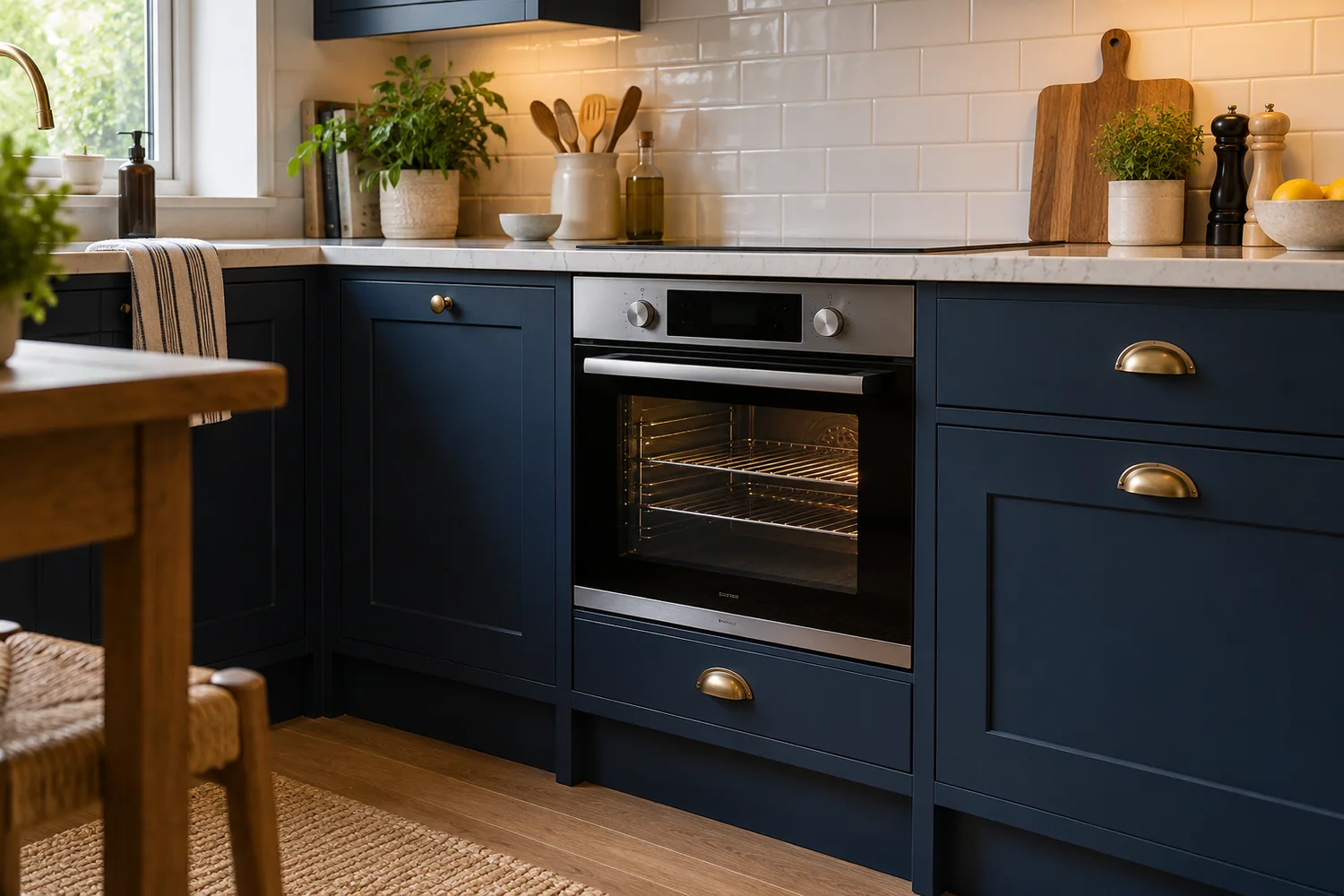
See the food, not another layer of cooking splashes
Oven Cleaning Stoke Newington
When checking a dish means opening the oven because the door is too cloudy to see through, the glass becomes the obvious cleaning priority. Look beyond it as well: shelves and the floor may carry residue that a polished front cannot hide. Oven cleaning in Stoke Newington brings those parts into one useful discussion, with the cooker layout and the surfaces behind the marks considered together.
A useful starting figure
Your oven. A clear price.
Hob £26 · Extractor £26 · Microwave £14. Discuss optional appliances when arranging the quote.
| Appliance | Guide price |
|---|---|
| Single oven | £75 |
| Double oven | £93 |
| Range cooker | £123+ |
| AGA cleaning | £103+ |
The kitchen you actually use
Explain which view has become difficult
Describe what you see with the door open, after cooling. Is the greasy film on the face nearest the cooking space, or does a mark appear beyond the part you can touch? A photograph from each position helps. Include the whole cooker front rather than cropping everything but the stain; the surrounding layout explains which chamber and door are involved.
Our overview of oven cleaning introduces the service. For your enquiry, add the loose shelves and trays wanted alongside the glass. A good view into a cavity is less useful if its equipment still needs attention, so describe both. Mention previous cleaning attempts and any changes to the surface rather than trying another product before the appointment.
Show where the mark sits
Views with the door open and closed can explain more than one cropped stain photograph.

Behind a better view
Follow the mark to the surface that actually holds it
Reflections can make a stain appear deeper in a door than it is. Show its position without taking the assembly apart. Accessible glass and internal faces are different access questions, answered by the design and condition of that door. A cleaner can discuss those questions from the intact appliance; a collection of loosened panels makes the original condition harder to understand.
Behind the door, ordinary loose cooking equipment can be removed where appropriate to reach the cavity. Suitable metal parts may receive dip-tank treatment separately. Distinguish a coated baking pan from a wire shelf, and show any worn finish. The same brown film on two items does not mean they should receive identical care. Clear descriptions help choose a useful treatment instead of simply a stronger one.
A thoughtful approach to the finish
Know what a clearer pane cannot change
Removing a greasy film does not take scratches out of glass. Old stains and worn finishes may remain visible after the deposits are gone. Point out any chip, loose handle or damaged coating you already know about. The likely result should reflect that condition, rather than a promise that a used cooker will look like its original product photograph.
Cleaning also does not diagnose a fault. Explain an oven that heats unreliably, trips or has a door that does not close properly as a separate issue requiring appropriate appliance help. Hardware condition can restrict access inside an assembly or behind a cover. No request for clear glass should be interpreted as permission to force a damaged fitting apart.
| What you notice | Useful photograph | Question to ask |
|---|---|---|
| Film on inner face | Door open and cool | Accessible surface treatment |
| Mark apparently further inside | Position relative to the visible pane | What access the assembly permits |
| Dirty shelves behind the glass | Open chamber and accessory count | Which equipment joins the clean |
| Scratched panel | Known damage in ordinary light | Realistic improvement after grease removal |
Get to know the equipment
Look through each cooking door before choosing the job
An upper grill can be cloudier than a main oven even when it looks smaller and less important. If both are wanted, identify them separately with the pan and insert. A range may have several different doors, including a warming or storage section. Explain which spaces you use and which you want cleaned now. Add the hob explicitly rather than expecting it to be inferred from the cooker photo.
If you want outdoor cooking equipment considered too, use the separate BBQ cleaning information. Its grids and surfaces are another request, not spare oven accessories. A combined conversation can be practical, provided the appliances, materials and access are described individually before a visit is arranged.

Making the visit work locally
Give a usable Stoke Newington arrival description
Add the doorway and bell name to the postcode, with someone reachable who knows the requested job. If a side gate, shared entrance or lift matters, describe that ordinary route. Put food and loose things away from the area beside the cooker. Leave installed equipment where it is and show any fixed obstruction that limits opening rather than trying to alter it.
Check Hackney Council’s advice on where to park for a suitable arrangement, then read the restrictions for the intended space. Other nearby enquiries can use existing coverage pages for Dalston and Hackney. Supply the actual property address so local planning concerns the right door and street.
| Do this | Why it helps | Avoid |
|---|---|---|
| Show open and closed views | Locates the troublesome mark | Loosening panels for a photograph |
| List loose equipment | Keeps the whole request visible | Assuming glass is the only task |
| Clear nearby clutter | Creates working room | Moving installed appliances |
| Save completion advice | Helps other cooks care for surfaces | Adding another treatment immediately |
Agree the work
Settle the glass question before choosing the appointment
If internal marks are the main reason for calling, ask what can be established about access at the quotation stage. Money spent on a general clean should not rest on an unspoken expectation about a sealed face. Then decide which other useful work you want alongside it: the chosen chamber, its loose kit and any separately requested appliance. Keep the offered tasks and charge together so the decision is understandable.
An early visit can be requested using the same-day booking enquiry, with the model details and the location of the glass concern. Describe the periods a contact is at home and the last planned meal beforehand. Ask for a concrete proposed arrangement rather than treating the request itself as a reservation. Establish preparation for that arrangement and pass the agreed information to whoever will show the cleaner the appliance.
Keep the improvement
Keep the view clear with the right everyday care
Before cooking again, follow the advice given at handover for your appliance and treatment. Ask about any mark that remains while its position is easy to point out. A short explanation of wear or restricted access prevents the next person assuming another product is needed. Share the preparation instructions with anyone else using the kitchen.
When surfaces are cool, remove recent splashes by a method suitable for the glass and surrounding finish. Avoid borrowing a scraper from a different kitchen task. Look beneath pans as well as at the visible door, and keep the manufacturer’s rules about liners and airflow in mind. Future professional cleaning should respond to build-up across the equipment, not only the moment the pane becomes difficult to see through again.
Before you make the call
Answers for a smoother visit.
Can a picture show whether the mark is between panes?
Different views can help locate it, but they do not guarantee internal access. Send the model if available and leave the assembly intact. Its design and fittings still need consideration.
Does clear glass mean the cavity has been cleaned?
They are separate surfaces. Describe the interior and accessories as well as the pane if you want them treated. A request prompted by the glass can still cover a wider agreed job.
Can you remove scratches that look cloudy?
Cleaning does not repair scratched glass. Point out known marks before the visit so they can be distinguished from greasy film. Improvement should be discussed for the actual condition.
Should I include the upper grill door?
Name that compartment if wanted and show it open with its equipment. Do not rely on its small size to explain the request. It can hold a different pattern of residue from the main chamber.
Are barbecue grids treated as extra oven shelves?
No, describe the outdoor appliance separately. Materials, condition and access can differ. Ask about that service before including the grids in expectations for an oven appointment.
What should I do if a mark remains after the visit?
Ask for its explanation at handover. It may relate to staining, wear or an inaccessible surface. Understanding that distinction is better than immediately trying a harsher product on the same area.
Let’s make a plan
Plan more than a polished front
Describe the Stoke Newington cooker, glass concern and accessories you would like cleaned together.