
Look inside before putting a neglected cavity back to work
Oven Cleaning Hampstead Heath
A cooker that has been used less often can still hold residue from the last meal made in it. Before returning to regular baking or grilling, inspect the cool cooking spaces and decide what needs attention. Oven cleaning near Hampstead Heath should be arranged around the actual property and appliance, with existing condition explained and practical access settled. A familiar neighbourhood name alone does not provide those details.
A useful starting point
Clean condition and working condition differ
Treat an operating concern as its own question before regular cooking resumes.
Before the appointment
A simple plan, before anyone arrives.
A quiet period in the kitchen is a chance to inspect, not proof that nothing needs cleaning.
Open the unused space
Look for old residue after the cooker is cool.
Separate stored pans
Choose which loose items belong in the request.
Keep unknowns honest
Explain gaps in the appliance history.
| Stage | Useful action | Information to retain |
|---|---|---|
| Initial inspection | Look without opening fixed panels | Condition and accessory photos |
| Booking | Decide which compartments matter now | Confirmed task list |
| Arrival | Describe the property’s real entrance | Reachable access contact |
| Completion | Ask about using the appliance | Care advice and limits explained |
Start with a useful description
Inspect the compartment you have not opened lately
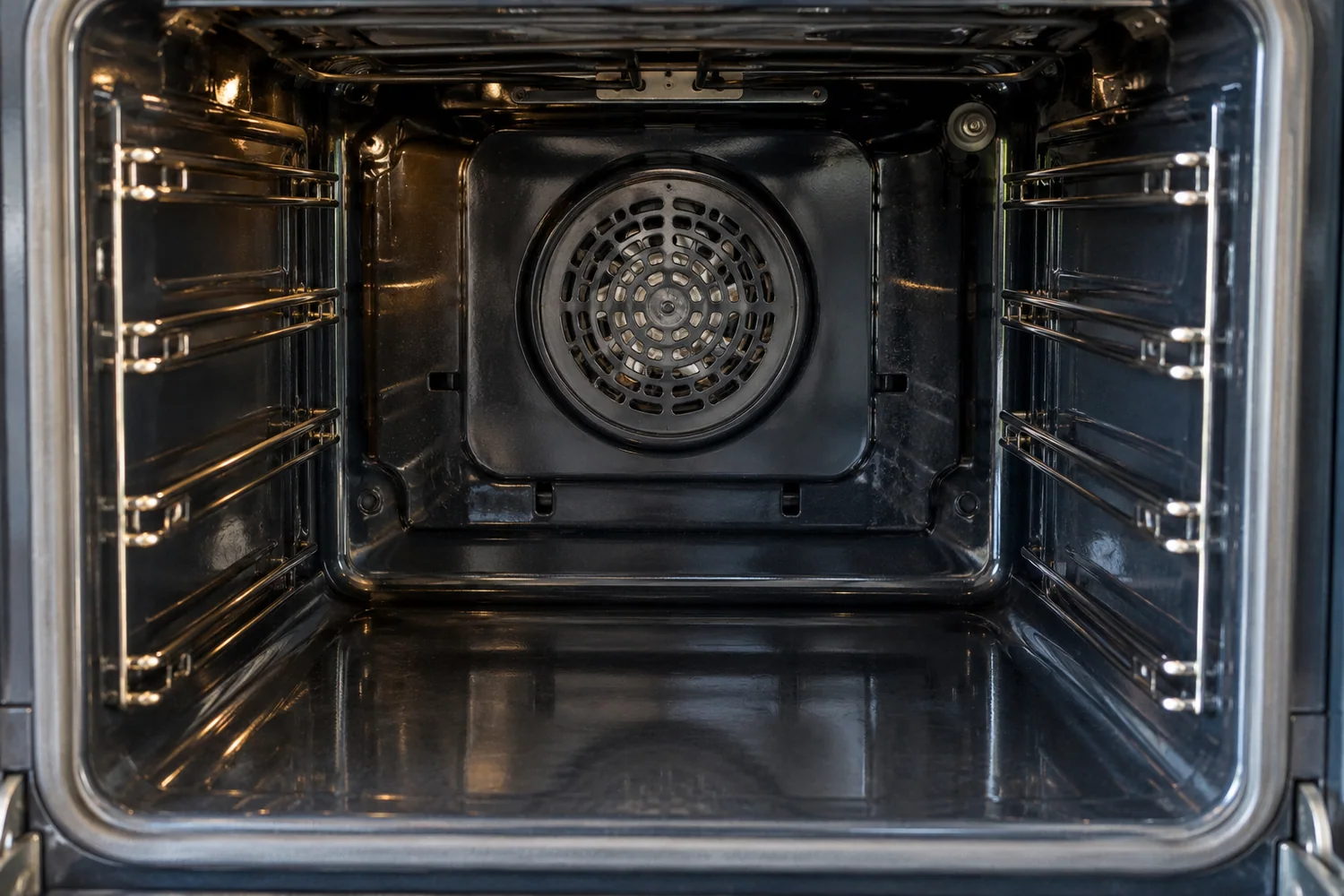
Start with the oven switched off and cool. Look for stored cookware, old splashes and accessories that may have been moved from another appliance. Do not turn an unfamiliar cooker on simply to test whether a smell returns. Describe what can be seen and any known operating concern. Take a wide photograph to show how the unused compartment relates to the rest of the cooker.
The oven cleaning service overview provides the general categories. Your enquiry should explain which spaces you want returned to ordinary use and which loose parts belong in the job. Include information from whoever used the appliance previously if available, while making clear where its history is unknown rather than filling the gaps with assumptions.

Different equipment, different details
Choose which cooking spaces are being brought back into use
You may want the smaller grill cleaned while the main oven remains in regular use, or both chambers of a double may need attention. Describe those choices directly. A range can contain storage and warming spaces as well as ovens, so label the function of each door in your photographs. A full front view is more informative than the brand name by itself.
If you are planning other appliance work, discuss the fridge cleaning service as a separate task. A broader kitchen reset does not make every appliance part of one oven quote. Each needs its own condition and preparation discussion, especially where equipment has been little used or somebody else has recently taken responsibility for the kitchen.

The cleaning work
Sort stored cookware from the appliance components
A tray sitting in a cavity may simply have been stored there. Identify it separately from the racks and supports that form the cooker equipment. Material and deterioration matter when considering treatment: suitable metal pieces can be cleaned apart from the interior, including dip-tank treatment where appropriate. A peeling pan coating needs a suitability assessment instead of being added unnoticed to a pile of accessories.
Avoid opening fixed panels during the inspection. Deposits behind a door pane may tempt you to explore, but construction and hardware condition govern access. Show the location of the mark and leave the assembly intact. If a seal looks brittle or a cover is loose, report that observation. Cleaning can be planned around suitable access without requiring every component to be removed.
Compare the parts, not just the name
A clearer scope for the quote.
| What you find | Useful enquiry detail | Keep distinct from cleaning |
|---|---|---|
| Stored loose pans | Which you want treated | Unrequested cupboard contents |
| Old cooking residue | Its location in the cool cavity | Underlying staining or wear |
| Unknown appliance history | What is known and what is not | An operating inspection |
| Loose fitting | Photograph without adjustment | A repair request |
Know the limits
Do not interpret cleanliness as an operating check
A cleaner can address suitable food deposits but cannot certify that a little-used appliance is functioning correctly. If its history includes tripping, a faulty fan or a door problem, raise that before booking. An unknown history should remain unknown until appropriately assessed; it is not evidence that cleaning will solve whatever happens on the next use.
Physical wear also remains separate from residue. Rust, chipped enamel and scratches may become clearer once grease has been removed. Ask about the expected result for the actual surface rather than describing the aim as making it new again. Fragile hardware can limit access to a hidden mark. Those limits should be explained, not overcome by pressure to dismantle a neglected fitting.
Your Hampstead Heath arrangements
Use a property address rather than a destination by the Heath
Directions to a park entrance do not identify the home where the work is needed. Give the complete postcode, doorway and bell name, plus the contact who can admit the cleaner. If you use a side entrance or managed route, explain it explicitly. Keep the path clear of loose items without moving a fitted cooker to make an inspection easier.
Check the authority for the address rather than assigning rules from the neighbourhood name. Where Camden applies, its parking location tool can help investigate the relevant area before checking bay signs. Existing nearby pages include Hampstead and Golders Green. The postcode resolves the practical enquiry; neither page title promises identical parking or appointment arrangements across those locations.
Name the home, not the park gate
Property postcode supplied in full
Doorway described to a first-time visitor
Relevant parking authority checked
Access contact aware of unfamiliar equipment
The same guide rates across the site
Know the figure. Confirm the details.
Single oven
£75
Double oven
£93
Range cooker
£123+
AGA cleaning
£103+
Base the quote on the intended use, not forgotten assumptions
List what you want cleaned now, including stored pans you have decided to keep. Do not expect the quotation to cover every item found later in a cupboard. Identify any additional hob or extractor request and settle the complete cost, with parking expense discussed where relevant. Keep that agreement for whoever is supervising the work.
If timing is urgent because the kitchen is about to be used again, explain the situation through the short-notice booking enquiry. An urgent need does not itself confirm availability or appropriate readiness. Ask when cooking should stop and wait for the actual appointment before planning a meal around the return of the appliance.
Confirm the full cost, included parts and any agreed access charges before booking.
After the visit
Establish a fresh routine instead of repeating an old one
At handover, review the areas that were previously neglected and ask how to prepare the oven for use. Record the explanation of any remaining mark, particularly where wear or restricted access was involved. Someone taking over a kitchen benefits from that information instead of inheriting an unexplained dark patch and trying another treatment immediately.
During later use, inspect cool surfaces for recent spills and follow the care instructions for their materials. Avoid putting stored items back where they hide the floor from view. Use the manual to check liners, foil restrictions and airflow, rather than relying on the previous user’s habit. A new cooking routine is a good opportunity to notice build-up early and choose future cleaning based on use.
A useful handover
Start with an informed handover
Record what was reached, what remains and how to prepare for the next use.
Questions with practical answers
A little more detail.
Does an oven need attention if it has not been used much?
Inspect it cool and look for residue left from earlier use. Infrequent cooking does not prove that the cavity is clean. Describe what you find and decide which spaces you want included.
Can cleaning confirm an unfamiliar cooker works safely?
No. Explain any known fault or uncertainty about operation and seek the appropriate appliance assessment. Cleaning is a different task from diagnosing a cooker or certifying its condition.
Should stored cookware be removed from the quote?
Decide which items you want treated and identify them separately. Something found inside the cavity may be storage rather than an original accessory. Its material and condition still need consideration.
What if the entrance is on a different street from the postal address?
Give both the postal address and the door actually used to reach the kitchen. Add the bell name and contact who can admit the cleaner. This is particularly helpful when a side entrance or managed route is less obvious from the address.
What if I have no information from the previous user?
Say that the history is unknown and show the current condition. Do not guess at earlier products or repairs. Accessible model information and a manual can support the discussion without dismantling the appliance.
Should I put all the trays back after the visit?
Ask about the agreed accessories and keep unused cookware stored appropriately. Avoid hiding the cavity floor from routine inspection. Follow the model’s instructions for shelf positions and care.
Ready to discuss the work?
Plan the return to everyday cooking
Show the current appliance condition and identify the compartments you want to use again.