
Make the oven ready for the meals you want to cook
Oven Cleaning Mitcham
Perhaps the oven is about to work harder: more home cooking, weekend baking or several dishes prepared together. Cleaning out the old deposits is a useful starting point. A Mitcham oven-cleaning enquiry can focus on the parts you will actually use, from the shelf that carries a heavy roasting dish to the small grill that has been forgotten for months.
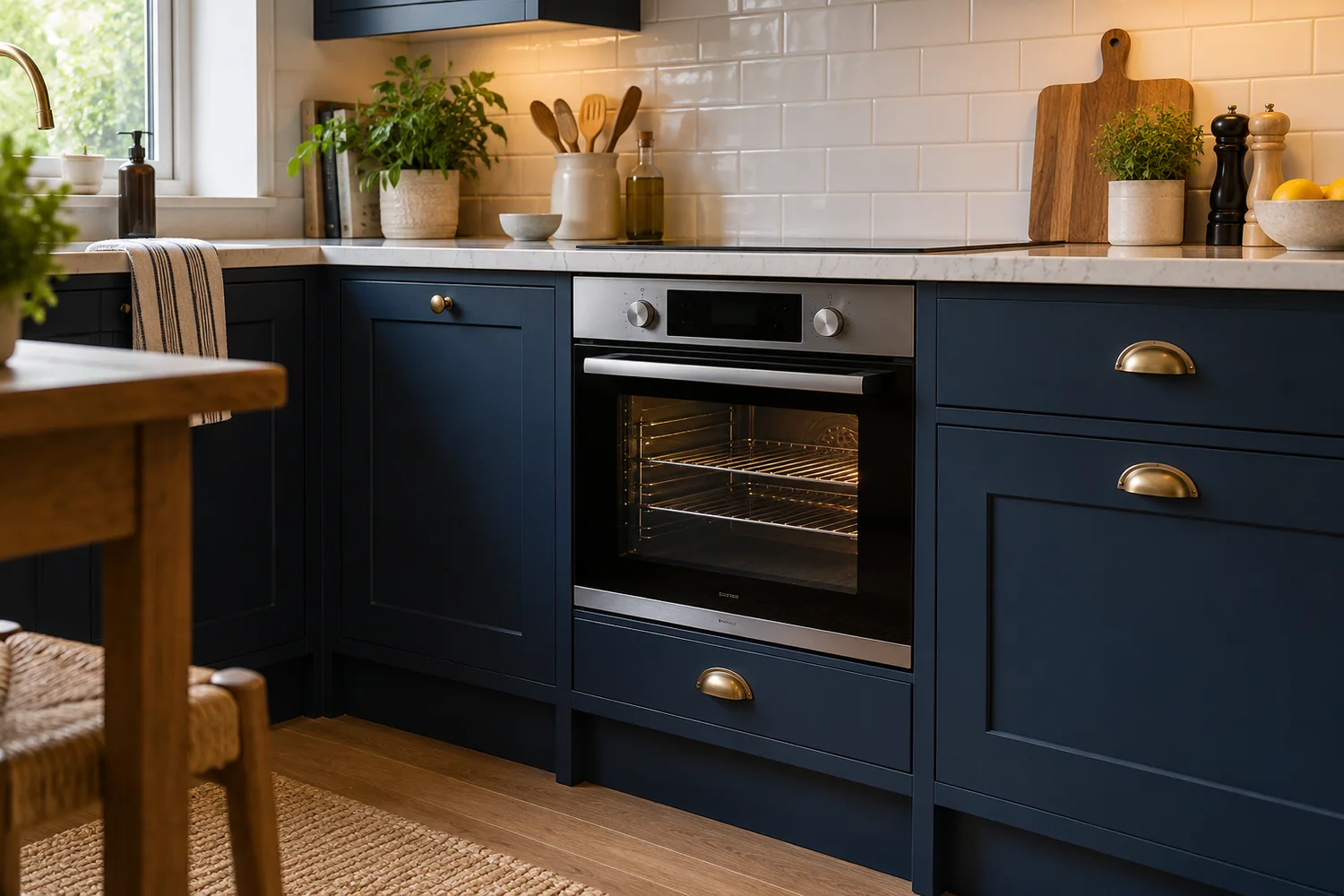
A useful starting point
A clean with a practical purpose
Start with the meals and accessories you want to bring back into use.
Before the appointment
A simple plan, before anyone arrives.
Find the pieces you will need for the next stage of your cooking routine.
Plan the shelf set
Include the spare rack used when several dishes cook together.
Open the forgotten grill
Show the pan and upper space as well as the main cavity.
Create a cooking break
Choose a window when the kitchen can be left free and the appliance cool.
| Prepare | Action | Benefit |
|---|---|---|
| Accessories | Find the trays needed for upcoming meals | Complete request |
| Cooking break | Leave enough cooling time | Ready appliance |
| Nearby space | Put groceries and utensils away | Room to work |
| Arrival | Explain the usable door | Easy handover |
| Afterwards | Keep the reuse advice | Next meal planned sensibly |
Start with a useful description
Look ahead to the way you plan to cook
Think about the next few weeks rather than only the darkest mark. If you are planning batch cooking, check all the shelves you will need and the trays that fit them. For baking, a clear view through the door can make it easier to watch food without repeatedly opening it. If the grill is coming back into use, include its pan and insert. These everyday details give the enquiry a practical purpose.
Take pictures of the cooker and the pieces you want included, then describe the deposits that ordinary washing has not shifted. The London oven-cleaning homepage explains the wider service. Add the model or manual details if available, and identify both compartments where the appliance has two. Finding the tray at the back of a cupboard now is easier than discovering it after the work has been arranged.
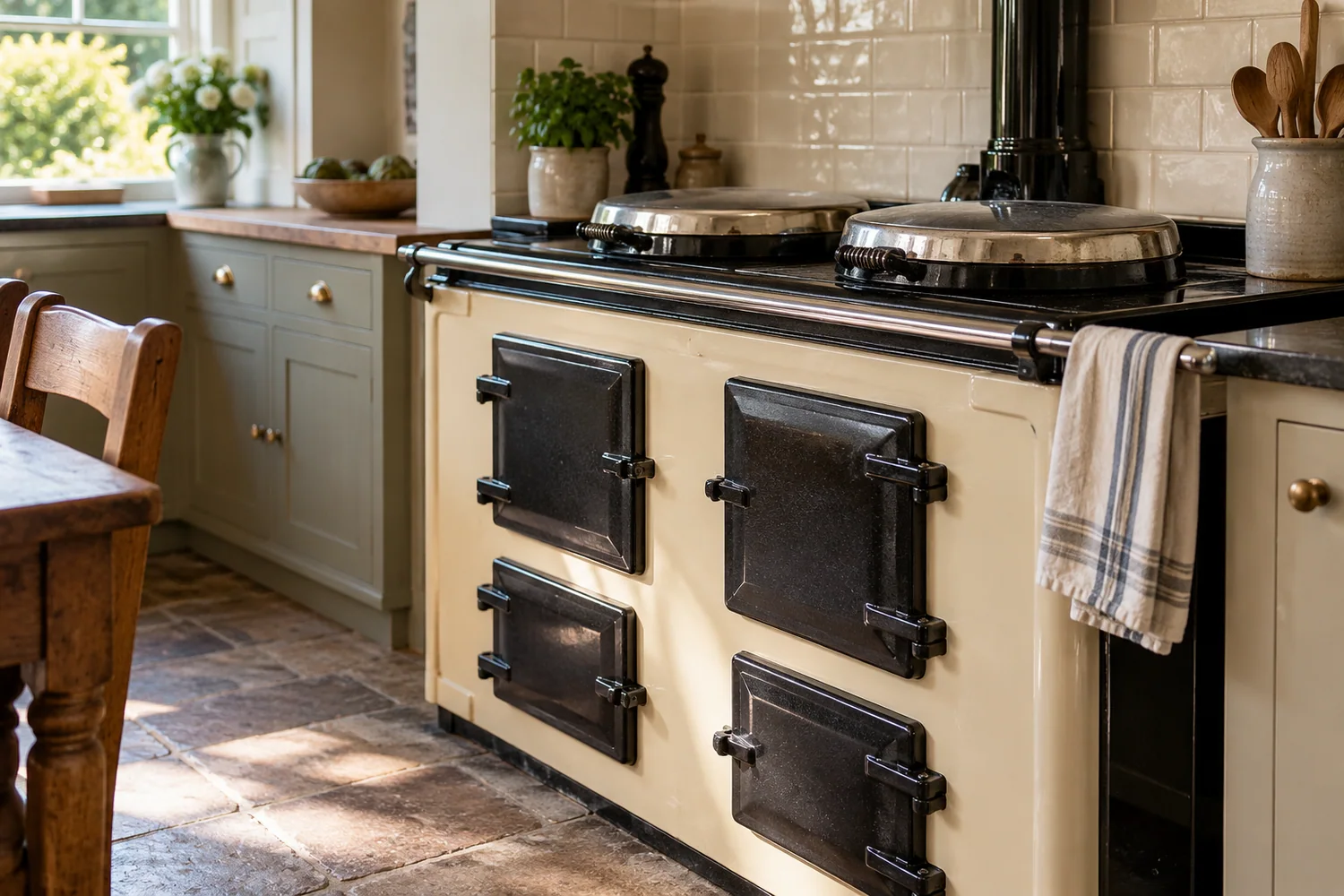
Different equipment, different details
Include the cooking spaces that support the new routine
Using two cavities together can be useful when meals need different settings, but both need to be named if both are wanted in the clean. Open the upper grill and check what has collected there while attention has been on the lower oven. A range needs a clear list of its heated compartments. Mention a hob or extractor separately if it is also part of the kitchen reset.
If summer cooking is moving outdoors, the BBQ service provides a separate place to describe that equipment. Include the barbecue type and the items you want treated instead of adding its racks to the oven accessory pile without explanation. Planning both enquiries at once can be convenient, provided each appliance has a clear description and the proposed work and price are agreed.

The cleaning work
Give the working shelves and pans some attention
A shelf can hold residue along its edges where a cloth rarely reaches. With suitable removable pieces taken out, those areas become easier to treat and the cavity around their supports can be reached too. Metal accessories appropriate for the method may receive dip-tank cleaning. Enamel, non-stick finishes and moving runner assemblies are considered according to their own care requirements rather than grouped together simply because they all sit inside the oven.
The door and interior complete the picture. Show the cooking face of the glass and explain any mark that appears behind it. Access inside a door is model-dependent; the condition of its fittings also matters. The cleaner can discuss what is reachable without making dismantling the aim of the job. Clearing a little worktop space beforehand leaves room to handle the parts properly instead of balancing them among shopping bags and utensils.
Compare the parts, not just the name
A clearer scope for the quote.
| Plan | Parts worth checking | Useful detail |
|---|---|---|
| Batch cooking | Extra shelves and large trays | Everything you intend to rotate |
| More baking | Glass and cavity surfaces | Where the view is obscured |
| Using the grill again | Pan, insert and upper space | Condition after storage |
| Two dishes at once | Both cooking cavities | Each compartment requested |
| Outdoor cooking | Separate barbecue equipment | Independent service description |
Know the limits
Be clear about the difference between residue and wear
An older cooker may be useful for many more meals while retaining scratches, worn lettering or a permanent stained patch. Cleaning removes suitable deposits; it does not put missing enamel or coating back. Show areas where a tray is peeling or glass has been scraped. If a previous product changed a finish, mention it. That makes the expected result more realistic and helps protect the surface still present.
Give operating problems their own attention. A failed fan, electrical tripping or an insecure door needs relevant appliance advice rather than a cleaning promise. Leave the cooker installed and connections undisturbed. Cracked glass and damaged fittings can limit handling, including internal door access. These concerns are worth explaining before booking, but you do not need to diagnose them yourself or dismantle the appliance to prove where the problem lies.
Your Mitcham arrangements
Get ready for a straightforward visit in Mitcham
Merton’s Mitcham parking-zone page lists several local arrangements, including zones with different conditions. Find the street concerned and check the proposed space against current signs. Some spaces are for permit holders, so a nearby paid bay and a resident bay should not be treated as interchangeable. Settle the lawful vehicle arrangement and any related charge when discussing the visit.
Inside, a clear route and an informed contact make a useful difference. Explain the door or gate used, stairs or lift arrangements and how to reach the person waiting. They should know which trays and compartments have been requested. Leave the cooker in position while making room beside it; moving loose food and utensils is more helpful than disturbing a fitted unit.
If the enquiry is for another property, established pages include Tooting and Streatham. Give each address independently so the right entry and street details stay with the right booking.
Mitcham has several parking arrangements
Find the street on council information
Identify permit-only conditions
Check signs at the proposed space
Explain the gate or entrance
The same guide rates across the site
Know the figure. Confirm the details.
Single oven
£75
Double oven
£93
Range cooker
£123+
AGA cleaning
£103+
Choose the work and the appointment as one useful plan
Decide when a break in cooking would be useful, then describe the accessories and compartments for that visit. Compare the proposed amount with the list beside it. For example, a request covering both cavities and a stored roasting tin should be recognisable in the response, rather than reduced to an unexplained oven label. Ask about the full charge, including an access expense where one has been agreed. A newly added appliance is worth discussing before the date is settled.
If you have little time available, the same-day availability enquiry lets you explain that constraint with the address and realistic entry window. An offered appointment still needs confirmation. Keep the accepted description available to whoever is meeting the technician, particularly where an earlier message listed options you later decided against. A short, accurate final brief prevents those abandoned possibilities being mistaken for work still requested.
Confirm the full cost, included parts and any agreed access charges before booking.
After the visit
Keep the next few meals from recreating the same deposits
Use the first cooking sessions to notice where drips tend to land. A tray that is too shallow for a large dish may be the real reason the cavity bottom keeps collecting food. Choose cookware with enough room for the contents and follow the manual on positioning and airflow. Once surfaces have cooled appropriately, tackle accessible fresh splashes before another heating cycle hardens them.
Keep the accessory routine manageable: wash the pan, inspect its underside and check the shelf edges before returning everything. Use care suited to coatings and glass instead of one abrasive tool for the whole kitchen. The manual remains useful for specialist liners and cleaning cycles. As the new cooking routine settles, review the actual build-up. Frequent grilling may need attention sooner than occasional baking, even when both happen in the same cooker.
A useful handover
Watch where the new drips land
A better-sized dish may prevent the same cavity spill returning.
Questions with practical answers
A little more detail.
Can I include the shelves I only use for batch cooking?
Yes, name them in the enquiry and show the full set you want treated. Accessories stored outside the appliance are easy to overlook, so include them before the quote rather than after the booking is fixed.
Does an unused grill need checking before I start using it again?
Look at the pan and visible compartment while cold and include any deposits in the request. If there is an operating concern, seek the relevant appliance advice separately; cleaning is not a functional safety test.
Is it useful to explain what I plan to cook?
It can help identify the accessories and compartments you actually need. You do not need a menu, but mentioning extra shelves, a large roasting pan or a second cavity can make the scope clearer.
Will every Mitcham bay accept the same visitor arrangement?
Check the particular zone and space. Merton lists different local arrangements, including permit-only areas. Current signs and the visitor conditions matter more than the shared neighbourhood name.
How do I keep a clean oven manageable when cooking more often?
Use dishes that contain juices, check for new spills after cooling and keep tray undersides clean. Review the parts that collect residue fastest rather than relying only on the door’s appearance.
Can I start dinner immediately after the visit?
Receive the instructions for the treatment and appliance first. Allow for any drying or heating step and plan the meal around that advice rather than a universal waiting-time claim.
Ready to discuss the work?
Get ready for the next cooking routine
Show the cooker and the accessories that will do the work in the weeks ahead.